You step outside on a frigid Calgary morning, and almost instantly, your shoulders creep up toward your ears. Your neck feels tight. Your upper back stiffens. By the time you reach your car or the train station, you’re already carrying tension you didn’t have ten minutes ago.
This isn’t just in your head—it’s your body’s natural protective response. Known as cold weather muscle guarding, this automatic reaction helps preserve warmth and protect your joints from the harsh winter elements. But when it happens day after day, it can lead to persistent neck pain, shoulder tension, headaches, and restricted movement that makes even simple tasks uncomfortable.
For Calgary residents, understanding cold weather muscle guarding is essential. Our winters are long, our temperatures can drop to -30°C or lower, and many of us spend significant time commuting, shovelling snow, or simply moving between heated spaces and the frozen outdoors. The result? Muscles that stay tight, tissues that lose flexibility, and pain that lingers long after you’ve come inside.
If you’re struggling with winter muscle tension, explore our services to discover how professional care can help you stay comfortable.
The good news is that cold weather muscle guarding is manageable. With the right knowledge, prevention strategies, and professional support, you can keep your neck and shoulders comfortable throughout Calgary’s winter season.
What Is Cold Weather Muscle Guarding?
Cold weather muscle guarding is your body’s instinctive response to low temperatures. When exposed to cold, your muscles contract and tighten to generate heat and protect your vital organs. This protective mechanism prioritizes keeping your core warm over maintaining flexibility in your extremities.
This natural hunching of the shoulders or body is referred to as muscle guarding in massage circles. We intuitively guard or protect that which we feel is vulnerable or threatened. A cold chill can spark a sensation in the skin’s nerve endings that the temperature is too low. The brain’s response is to guard the affected area by tensing the muscle to restrict blood-flow and slow down the loss of body heat.
When it’s cold, we tend to hunch our shoulders when walking outside, which for most of us feels like the natural thing to do. This hunching is called cold weather muscle guarding, which is our way of protecting ourselves during the cold and wind. When doing this, our muscles tense and can go into spasm, which can then lead to neck pain.
Understanding your body’s response is the first step. Learn more about osteopathic therapy and how it addresses muscle tension.
Why Cold Weather Causes Cold Weather Muscle Guarding
The science behind cold weather muscle guarding is rooted in your body’s survival instincts. Your body functions best when your internal temperature stays close to 98.6°F. When temperatures drop, your body plays defense to protect your organs—and in extreme cases, your life.
Cold weather muscle guarding occurs through several physiological mechanisms:
Blood Vessel Constriction: When the body starts to cool down, blood circulation concentrates on vital organs such as the brain, heart, and lungs. Peripheral blood vessels contract, and blood is shunted away from your extremities and into the center of your body. This means your muscles in your legs and arms get less blood flow and less oxygen than they would in warmer temperatures. With less oxygen, the muscles are stiffer, they don’t work as well, and they fatigue easily.
Muscle Contraction: You can feel your muscles bracing for the cold the moment you step out the door. They contract and feel tighter, restricting your range of motion. Cold weather causes muscles, tendons, and ligaments to tense up, leading to stiffness and reduced flexibility.
Shivering Response: Your body’s first response to cold is shivering—rapid involuntary contractions of certain muscles under the skin. This phenomenon produces heat, rather like a small engine revving up. While shivering generates warmth, it also contributes to muscle fatigue.
These mechanisms work together to protect you from hypothermia, but the side effect is cold weather muscle guarding that leaves your neck, shoulders, and upper back tight and uncomfortable.
Why Calgary Winters Make Neck and Shoulder Pain Worse
Calgary’s unique winter conditions create the perfect environment for cold weather muscle guarding to become a chronic problem.
Extreme Temperature Drops: Calgary experiences some of Canada’s most dramatic temperature swings. A Chinook can raise temperatures by 20°C in hours, but the sudden drop back to freezing can trigger repeated episodes of cold weather muscle guarding as your body struggles to adapt.
Prolonged Exposure: Many Calgary residents spend significant time outdoors—commuting, walking between buildings, or enjoying winter activities. Each exposure to cold triggers cold weather muscle guarding, and without proper recovery, the tension accumulates.
Winter Driving: Cold steering wheels, stiff seats, and the tension of driving on icy roads can add to the neck and shoulder strain already caused by cold weather muscle guarding.
Snow Shovelling: The combination of cold exposure and physical exertion creates a perfect storm for muscle strain, especially when cold weather muscle guarding has already made your muscles tight and vulnerable.
For more insights on winter wellness, visit our blog for expert tips and advice.
Common Signs and Symptoms of Cold Weather Muscle Guarding
Cold weather muscle guarding can manifest in various ways, and the symptoms don’t always appear immediately. They can sometimes appear the next morning when you wake up feeling pain in your neck muscles.
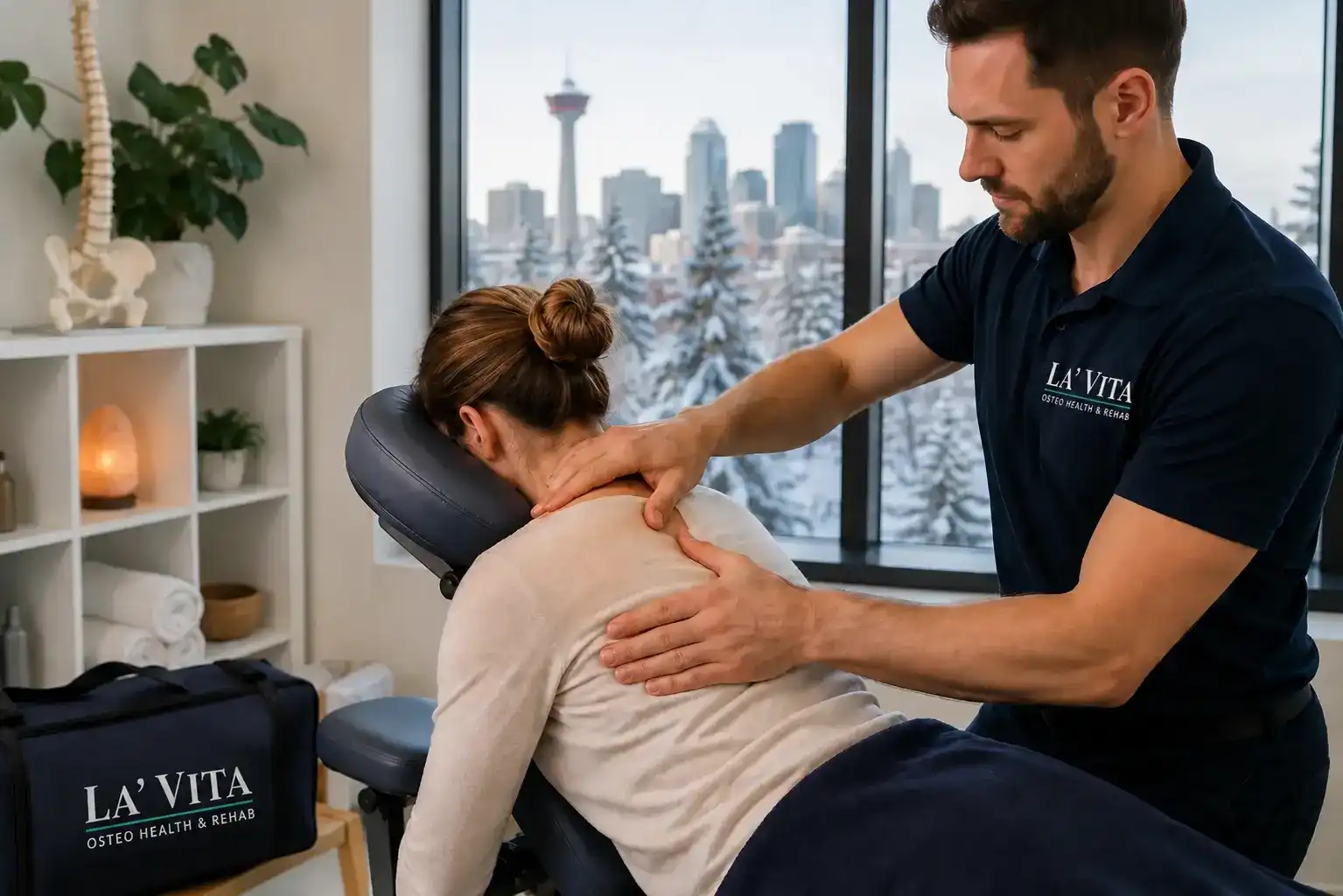
Neck Pain and Stiffness: The most common symptom of cold weather muscle guarding is neck tension. Restricted movement, dull aches, sharp nervy pain, and soreness can be some of the common symptoms.
Shoulder Tension: Your shoulders creep up toward your ears as your body tries to protect itself, leading to constant tension in the trapezius muscles.
Upper Back Pain: The muscles between your shoulder blades often become tight and painful during cold weather muscle guarding.
Headaches: Tension in the neck and shoulders can trigger headaches, often starting at the base of the skull and radiating forward.
Reduced Range of Motion: You might notice it’s harder to turn your head when driving, or you feel stiff when reaching overhead.
Muscle Fatigue: The overworked muscle will have stored up lactic and carbonic acids which couldn’t fully drain as a result of the muscle contraction. Your nerve endings will then start feeling the pinch from being bathed in acid and a cycle of pain becomes triggered.
How Massage Therapy and Heat Therapy Help Cold Weather Muscle Guarding
Professional treatment can be highly effective for cold weather muscle guarding. At La Vita Osteo, our therapeutic approaches target the root causes of muscle tension.
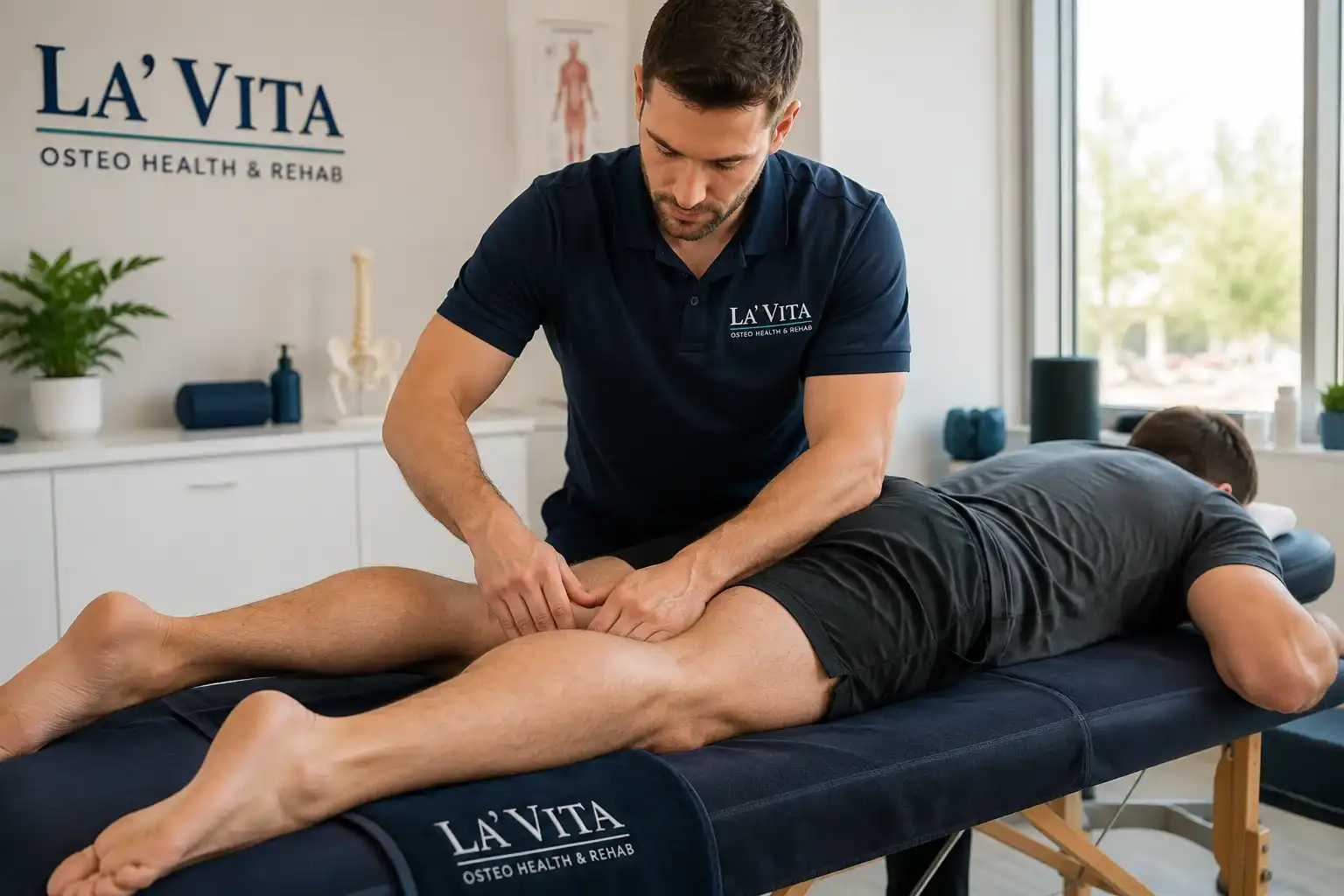
Deep Tissue Massage: This technique targets deeper tissue layers and applies firmer pressure. Deep tissue massage can be applied in cases where massages such as Swedish massage are insufficient for people with intense grip and muscle stiffness. It targets the connective tissues and deeper tissue more profoundly in the skin layer and provides relaxation, especially for muscles and tissues affected by cold weather muscle guarding.
Heat Therapy: Applying heat to tight muscles helps increase blood flow, relaxes tense tissues, and reduces stiffness. Heat therapy can soften tight muscles, making them more receptive to manual manipulation. This makes it an excellent complement to massage for cold weather muscle guarding.
Osteopathic Manual Therapy: Osteopathy uses gentle hands-on techniques to release tension, improve circulation, and restore balance to the body. Osteopathic treatment helps release fascial restrictions, loosen tight muscle chains, and restore normal joint mechanics. This is particularly valuable for cold weather muscle guarding because it addresses the whole-body patterns of tension that cold weather creates.
Soft Tissue Release: This technique specifically targets tight muscles affected by cold weather muscle guarding, helping them relax and return to normal function.
Massage will mobilise your painful soft tissues and muscles—this has two major benefits. Physical touch helps your brain to relocate the neurological pathway to the contracted muscle. Your brain realises that the muscle is switched on even though you are lying down relaxed, and proceeds to switch it off. A relaxed muscle then allows blood to flow through it—bringing in fresh oxygen and nutrients and flushing out the painful acids.
At La Vita Osteo, our massage therapy services are designed to help you find relief from winter muscle tension.
Daily Tips to Prevent Winter Muscle Stiffness
While professional treatment is valuable, there are steps you can take to prevent cold weather muscle guarding from becoming a persistent problem.
Warm Up Before Going Outside: Do a short warm-up inside before heading out. “Then give yourself extra time to ease into things when you get outside,” says exercise physiologist Stacy Sims, PhD. This helps offset the bracing effect of cold weather muscle guarding.
Dress in Layers: Wear appropriate clothing, including a hat, neck gaiter, and a coat, so you don’t get too cold. Dressing warmly helps minimize the body’s need for cold weather muscle guarding.
Perform Dynamic Stretches: Cold weather means everything tightens up, and you need a dynamic warm-up for your whole body. “Do lunges or squats, bring each knee to your chest, make circles with your arms, and twist your trunk left and right. Loosen up for about 10 to 15 minutes,” advises Dr. Sarah Eby of Harvard-affiliated Massachusetts General Hospital.
Practice Static Stretches: When your muscles are warmed up, static stretches can keep muscles long and flexible. To do a static stretch, hold a certain position for 20 to 30 seconds, without bouncing.
Stay Hydrated: Staying hydrated helps prevent lactic acid from building up in your muscles and causing cramps.
Be Aware of Your Posture: Notice the difference between muscle tension and looseness. If you find it hard to tell the difference as to whether your muscle is tense or loose, try taking a deep breath. If your breathing is restricted, then you are holding some body part tense.
For more prevention tips, explore our blog for articles on winter wellness and muscle health.
When Should You Visit a Massage Therapist or Osteopath?
If you’re experiencing persistent discomfort from cold weather muscle guarding, it may be time to seek professional care.
Your Symptoms Don’t Improve: If self-care strategies aren’t relieving your cold weather muscle guarding, professional treatment can provide more targeted relief.
Pain Affects Your Daily Life: When cold weather muscle guarding interferes with work, sleep, or activities you enjoy, it’s time to seek help.
You Have Recurring Pain: If you experience the same pattern of cold weather muscle guarding every winter, an osteopath can identify and address underlying factors making you vulnerable.
You Have Limited Range of Motion: When cold weather muscle guarding makes it difficult to turn your head or reach overhead, professional treatment can help restore mobility.
At La Vita Osteo, we specialize in treating winter-related muscle tension. Book your appointment today and start your journey toward relief.
FAQs
1. What is cold weather muscle guarding?
Cold weather muscle guarding is your body’s automatic response to cold temperatures, where muscles contract and tighten to preserve warmth and protect joints. This natural protective mechanism can lead to neck pain, shoulder tension, and restricted movement.
2. Why does cold weather make my neck hurt?
When exposed to cold, your body initiates cold weather muscle guarding to protect your vital organs. Blood vessels constrict, reducing blood flow to your muscles, while muscles contract to generate heat. This combination leaves your neck muscles tight, stiff, and prone to pain.
3. How can I prevent cold weather muscle guarding?
Prevention strategies include warming up before going outside, dressing in layers, performing dynamic stretches indoors, staying hydrated, and being aware of your posture. These steps help minimize the body’s need for cold weather muscle guarding.
4. Can massage help with cold weather muscle guarding?
Yes, deep tissue massage and soft tissue release are highly effective for cold weather muscle guarding. They help relax tight muscles, improve circulation, flush out metabolic waste, and restore normal function.
5. How does osteopathy help with cold weather muscle guarding?
Osteopathy addresses cold weather muscle guarding by identifying and releasing tension patterns throughout the body. Gentle hands-on techniques improve circulation, reduce inflammation, and restore mobility, helping your body adapt to winter conditions more comfortably.
6. Is cold weather muscle guarding the same as poor posture?
No, but they’re related. Cold weather muscle guarding is a physiological response to cold, while poor posture is a habitual positioning issue. However, cold weather muscle guarding can worsen poor posture, and poor posture can make you more vulnerable to cold-related muscle tension.
7. Does La Vita Osteo offer treatments for cold weather muscle guarding?
Yes! At La Vita Osteo, we offer Massage Therapy, Osteopathic Therapy, and Active Rehabilitation services specifically designed to address cold weather muscle guarding and help you stay comfortable through Calgary’s winter.
Have more questions? Contact our team for personalized answers and guidance.
Conclusion
Calgary’s winters are beautiful and challenging, but cold weather muscle guarding doesn’t have to be an unavoidable part of the season. By understanding your body’s natural response to cold and taking proactive steps to protect your neck and shoulders, you can stay comfortable and mobile throughout the winter months.
Remember, cold weather muscle guarding is your body’s way of protecting you—but when it becomes chronic, it can lead to persistent pain and reduced quality of life. Professional treatments like deep tissue massage and osteopathic manual therapy can help your muscles relax, improve circulation, and break the cycle of tension.
At La Vita Osteo, we understand the challenges Calgary winters pose to your body. Our team offers Massage Therapy, Osteopathic Therapy, and Active Rehabilitation services designed to address cold weather muscle guarding and help you move freely throughout the winter season.
Ready to find relief from winter muscle tension? Book your appointment with La Vita Osteo today and discover how professional care can help you stay comfortable and active through Calgary’s coldest months. Visit our website to learn more about our services, or explore our blog for more winter wellness tips.