If you’re dealing with persistent pain, limited mobility, or recovering from an injury, you’ve likely heard that physical therapy can help. But what actually happens during a physical therapy session? And how do you know if it’s the right approach for your situation?
For many Calgary residents, physical therapy is a game-changer. Whether you’re an office worker with chronic back pain, an athlete recovering from a sports injury, or someone simply wanting to move better, a professional physical therapy session can provide the guidance and treatment you need to get back to doing what you love.
This guide will walk you through what a physical therapy session involves, common conditions it addresses, warning signs that you need professional help, and practical steps you can take to support your recovery. Let’s explore how expert physical therapy in Calgary can make a meaningful difference in your life.
If you’re ready to take the first step toward recovery, explore our active rehabilitation services at La Vita Osteo.
What Is the Problem?
The problem isn’t just pain—it’s the way pain limits your life. When movement becomes difficult, everyday activities that once felt effortless suddenly feel like a challenge. Climbing stairs, lifting your child, or even sitting comfortably at your desk can become sources of frustration and discomfort.
Chronic pain and mobility issues don’t just affect your body—they affect your mood, your sleep, your productivity, and your overall quality of life. Many people accept this as “just part of getting older” or “something I have to live with.” But that’s not true.
A physical therapy session is designed to address the root causes of your pain and dysfunction, not just the symptoms. Whether your issue stems from an injury, poor posture, muscle imbalances, or a chronic condition, physical therapy offers a structured, evidence-based approach to help you recover and thrive.
Common Causes of Pain and Mobility Issues
Understanding what’s causing your discomfort is essential for finding the right solution. Here are the most common culprits:
Poor Posture and Prolonged Sitting
If you work at a desk, you likely spend hours in positions that strain your neck, shoulders, and lower back. Over time, this leads to muscle imbalances, joint stiffness, and chronic pain.
Sports Injuries
Whether you’re a weekend warrior or a competitive athlete, sports injuries can range from minor strains to serious ligament tears. Without proper rehabilitation, these injuries can lead to long-term problems.
Repetitive Strain
Repetitive movements—whether from work, hobbies, or daily activities—can overwork specific muscle groups, leading to conditions like tendonitis, carpal tunnel syndrome, and bursitis.
Age-Related Changes
As we age, our joints naturally lose some flexibility, and our muscles may weaken. This can lead to stiffness, reduced mobility, and increased risk of falls.
Post-Surgical Recovery
After surgery, physical therapy is often essential for regaining strength, mobility, and function. A structured rehabilitation program can help you recover faster and more completely.
For more insights on recovery and rehabilitation, visit our blog for expert articles on pain management and wellness.
Warning Signs You Need Professional Help
How do you know when self-care isn’t enough? Here are the warning signs that it’s time to seek professional help:
- Persistent pain that doesn’t improve with rest or over-the-counter remedies
- Reduced mobility – difficulty performing everyday movements
- Weakness in your arms, legs, or core
- Numbness or tingling in your extremities
- Balance problems or increased risk of falling
- Pain that worsens with activity or persists at night
- Swelling, redness, or warmth around a joint
- Recurring injuries or slow recovery
If you recognize several of these signs, a physical therapy session with a qualified professional can provide clarity and a path forward.
Step-by-Step Solutions: What Happens During a Physical Therapy Session?
A physical therapy session is a structured, personalized experience designed to address your specific needs. Here’s what you can expect:
Step 1: Initial Assessment
Your first session begins with a thorough assessment. Your therapist will:
- Ask about your health history, symptoms, and goals
- Observe your posture, movement patterns, and alignment
- Perform hands-on assessments to identify areas of restriction or weakness
- Test your strength, flexibility, and range of motion
This assessment helps your therapist understand the root cause of your issue and develop a personalized treatment plan.
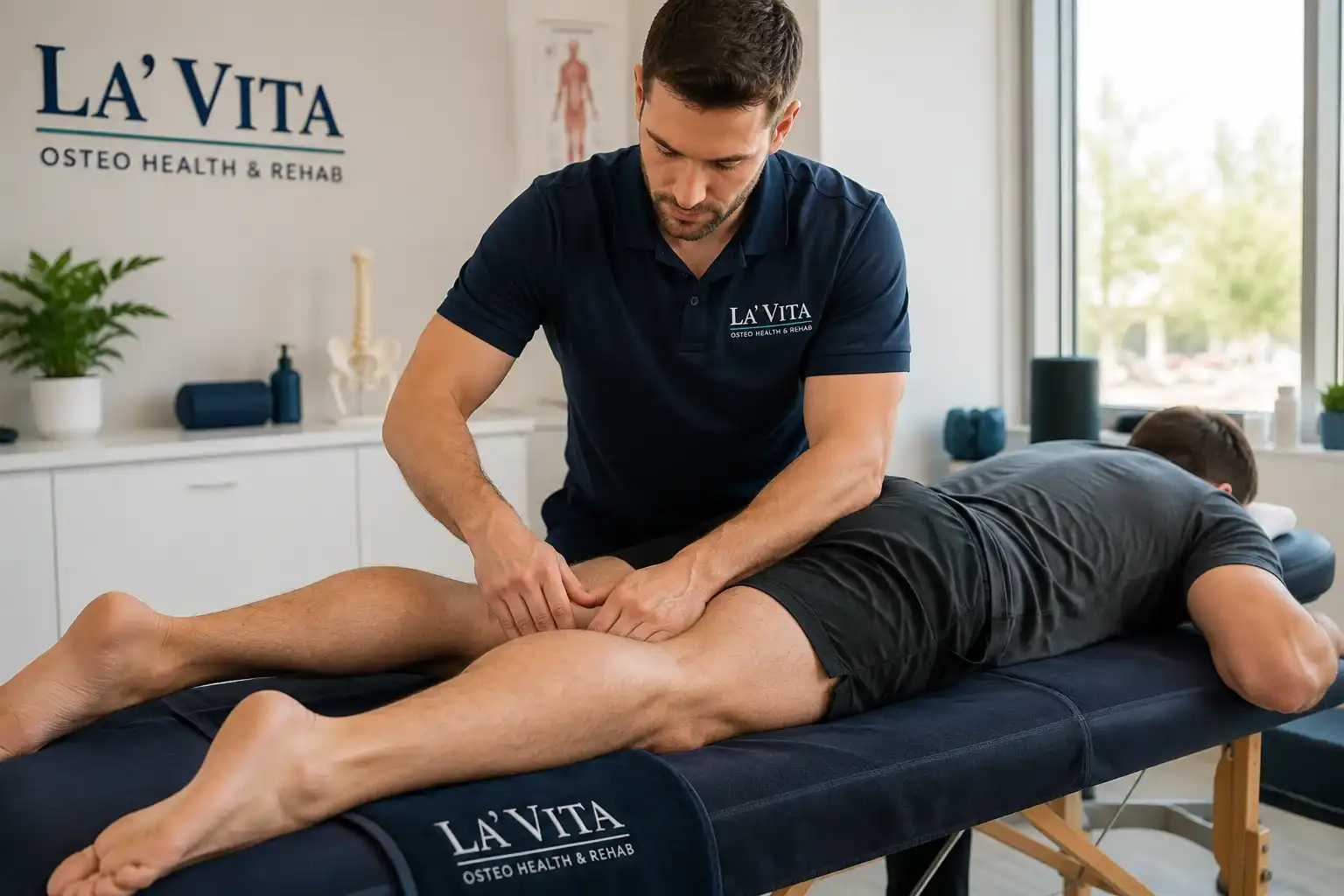
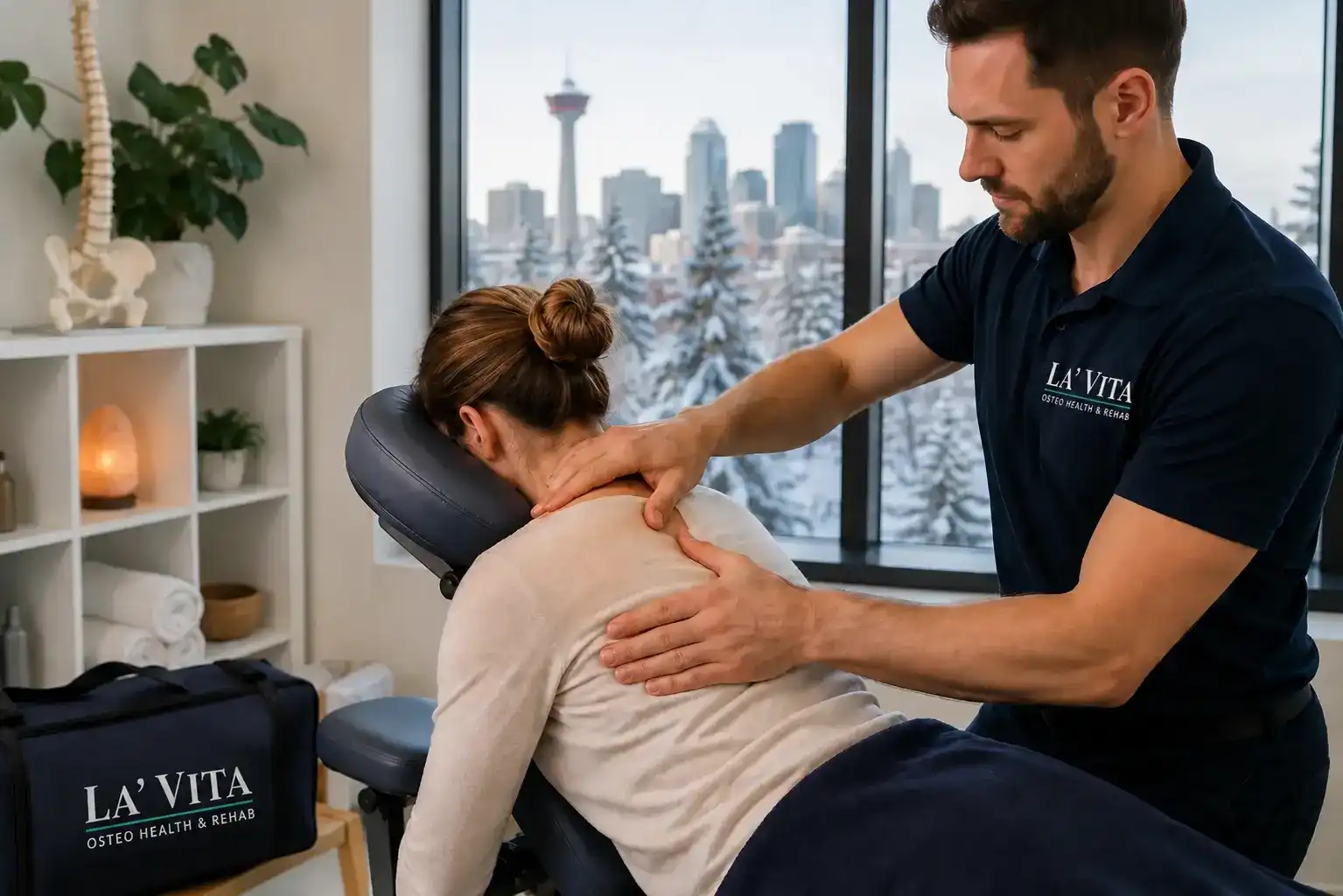
Step 2: Manual Therapy
Depending on your condition, your therapist may use hands-on techniques to:
- Release tight muscles and fascia
- Mobilize restricted joints
- Improve circulation and tissue health
- Reduce pain and inflammation
Step 3: Therapeutic Exercise
Exercise is a cornerstone of physical therapy. Your therapist will guide you through targeted exercises designed to:
- Strengthen weak muscles
- Improve flexibility and range of motion
- Restore proper movement patterns
- Build endurance and stability
Step 4: Education and Self-Care
Your therapist will provide guidance on:
- Posture and ergonomics
- Home exercises to continue your progress
- Activity modification to prevent re-injury
- Pain management strategies
At La Vita Osteo, our kinesiology services complement physical therapy to support your recovery with movement-based care.
Step 5: Progress Monitoring
Throughout your treatment, your therapist will track your progress and adjust your plan as needed. The goal is to help you achieve lasting results and return to your normal activities.
When to Call a Professional
While self-care strategies can be effective for minor issues, there are times when professional support is essential. Consider reaching out if:
- Your pain is persistent, severe, or worsening
- You’ve experienced a significant injury
- Your mobility is significantly limited
- You have numbness, tingling, or weakness
- You’re recovering from surgery
- You’re unsure what’s causing your symptoms
A professional physical therapy session can provide the assessment, treatment, and guidance you need to recover safely and effectively.
Preventive Maintenance Tips
Once you’ve addressed your immediate concerns, prevention is key. Here are tips to maintain your progress and prevent future problems:
- Stay active – Regular movement keeps muscles and joints healthy
- Maintain good posture – Check in with your alignment throughout the day
- Take movement breaks – Stand up and stretch every 30 minutes if you sit for long periods
- Strengthen your core – A strong core supports your spine and prevents injury
- Listen to your body – Address minor issues before they become major problems
- Schedule regular check-ins – Periodic assessments can catch issues early
At La Vita Osteo, we offer ongoing support to help you maintain your health and mobility. Explore our services to learn more.
FAQs
1. What should I expect during my first physical therapy session?
Your first session includes a thorough assessment of your condition, health history, and goals. Your therapist will then develop a personalized treatment plan and may begin treatment on the same day.
2. How many physical therapy sessions will I need?
The number of sessions varies depending on your condition. Some people benefit from just a few sessions, while others may need ongoing care for several weeks or months.
3. Is physical therapy painful?
Physical therapy should not be painful. You may experience some mild discomfort during certain techniques or exercises, but your therapist will always work within your comfort level.
4. Do I need a referral to see a physical therapist?
You typically don’t need a referral to see a physical therapist. However, some insurance plans may require one for coverage.
5. What conditions can physical therapy help with?
Physical therapy can help with a wide range of conditions, including back and neck pain, sports injuries, post-surgical recovery, arthritis, and neurological conditions.
6. How long does a physical therapy session last?
A typical session lasts 45–60 minutes. Your first session may be longer to allow for a thorough assessment.
7. Does La Vita Osteo offer physical therapy services?
Yes! We offer active rehabilitation, kinesiology, and osteopathic therapy to support your recovery and help you move better.
Conclusion
A physical therapy session is more than just exercise—it’s a personalized, evidence-based approach to addressing pain, restoring mobility, and improving your quality of life. Whether you’re recovering from an injury, managing a chronic condition, or simply want to move better, expert physical therapy in Calgary can help you achieve your goals.
At La Vita Osteo, we’re committed to helping Calgary residents find lasting relief through personalized, whole-body care. Our experienced practitioners are here to support your recovery journey.
Ready to take the first step? Book your physical therapy session at La Vita Osteo today. Visit our website to learn more about our services, or explore our blog for more wellness insights.