Have you ever felt like your body just isn’t moving the way it used to? Maybe you’ve noticed that your balance isn’t what it was, or that certain movements feel awkward, uncoordinated, or even painful. You might be dealing with a movement control issue—and you’re not alone.
Movement control is the foundation of everything we do, from walking and running to lifting, bending, and reaching. When movement control is compromised, it affects every aspect of daily life. For many Calgary residents, this becomes a source of frustration and limitation.
The good news is that movement control rehabilitation can help. Through active rehabilitation, you can retrain your body to move more efficiently, restore proper function, and reduce pain. This guide explores what movement control rehabilitation is, why it matters, and how active rehab can help you move better.
If you’re ready to improve your movement and reclaim your active lifestyle, explore our active rehabilitation services at La Vita Osteo.
What Is the Problem?
The problem isn’t just weakness or stiffness—it’s the loss of coordinated, controlled movement. When your body loses its ability to move efficiently, it affects everything.
Movement control issues can manifest in many ways:
🔹 Poor balance – Feeling unsteady on your feet or easily losing your balance
🔹 Awkward movements – Movements that feel clumsy, uncoordinated, or “off”
🔹 Compensatory patterns – Your body relying on the wrong muscles to perform tasks
🔹 Reduced range of motion – Difficulty reaching, bending, or twisting
🔹 Pain with movement – Discomfort that appears during specific activities
🔹 Fatigue – Feeling exhausted after movements that used to be easy
For many Calgary residents, these issues develop gradually. You might not notice them at first—but over time, they limit what you can do and how you feel.
Movement control rehabilitation addresses these issues at their root. Instead of just treating symptoms, it retrains your body to move properly again.
Movement control rehabilitation targets the specific patterns your body uses to move. Two people can have the same strength but move very differently—one efficiently, the other with compensations that cause pain. It’s not about working harder; it’s about moving smarter.
Common Causes of Movement Control Issues
Understanding what’s causing your movement problems is the first step toward fixing them. Here are the most common causes:
Injury or Surgery
After an injury or surgery, your body often compensates by using different muscles to protect the affected area. If these compensations persist, they can become ingrained patterns that impair movement control.
Chronic Pain
Pain changes how you move. When certain movements hurt, your body instinctively avoids them, leading to altered movement patterns and further dysfunction.
Prolonged Sitting
Sitting for hours shortens hip flexors, weakens glutes, and reduces core stability. Over time, this leads to poor movement control in everyday activities.
Muscle Imbalances
When some muscles are overactive and others are underactive, movement becomes inefficient. This imbalance is a common cause of movement control issues.
Neurological Conditions
Conditions like stroke, Parkinson’s disease, or nerve injuries can directly affect movement control. Movement control rehabilitation is a key part of recovery for these conditions.
Aging
As we age, we naturally lose some muscle mass, coordination, and balance. Without targeted exercise, this decline accelerates.
Movement control issues develop gradually, often becoming the new normal. You might not realize your hip is compensating for a weak glute or your shoulder is overworking due to poor core stability. Movement control rehabilitation brings these hidden patterns to light and addresses them systematically.
For more insights on rehabilitation and recovery, visit our blog for expert articles.
Warning Signs You Need Movement Control Rehabilitation
How do you know when it’s time to seek help? Here are the warning signs:
🔹 Frequent falls or near-falls – Balance issues that put you at risk
🔹 Difficulty with daily activities – Struggling with tasks that used to be easy
🔹 Pain that limits movement – Avoiding activities because of discomfort
🔹 Feeling unsteady – Dizziness or imbalance during movement
🔹 Muscle weakness – Difficulty lifting, pushing, or pulling
🔹 Compensatory movements – Noticing that you’re using different muscles to do things
🔹 Slow recovery from injury – Taking longer than expected to regain function
If you recognize several of these signs, movement control rehabilitation can help.
Step-by-Step Solutions for Movement Control Rehabilitation
The good news is that movement control can be improved with targeted rehabilitation. Here are the key steps:
Step 1: Comprehensive Assessment
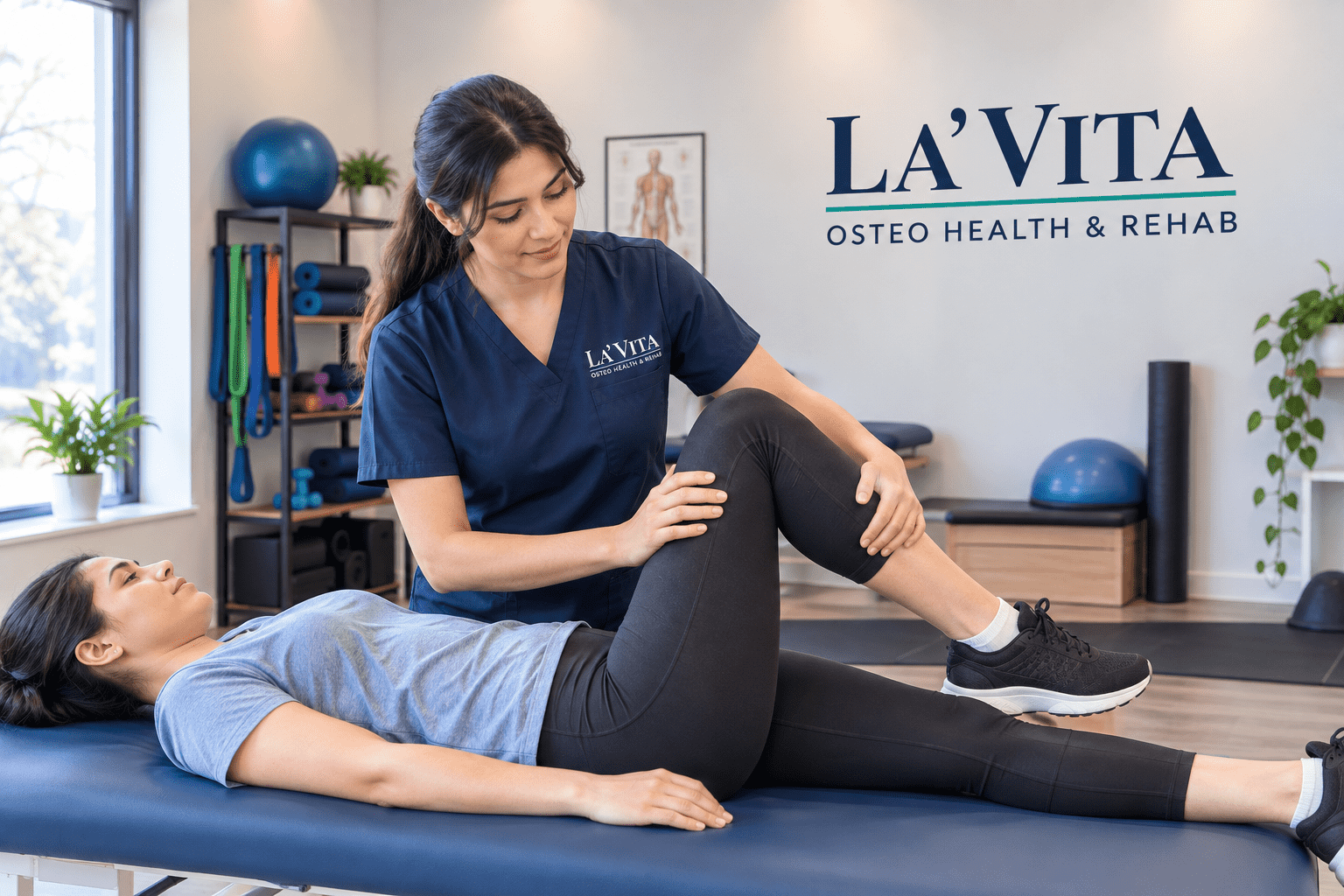
The first step in movement control rehabilitation is a thorough assessment. A qualified practitioner will:
🔹 Observe how you move during everyday activities
🔹 Test your strength, flexibility, and range of motion
🔹 Assess your balance and coordination
🔹 Identify areas of dysfunction or compensation
This assessment provides the foundation for a personalized treatment plan.
Step 2: Address Underlying Issues
Before you can retrain movement, underlying issues need to be addressed. This may include:
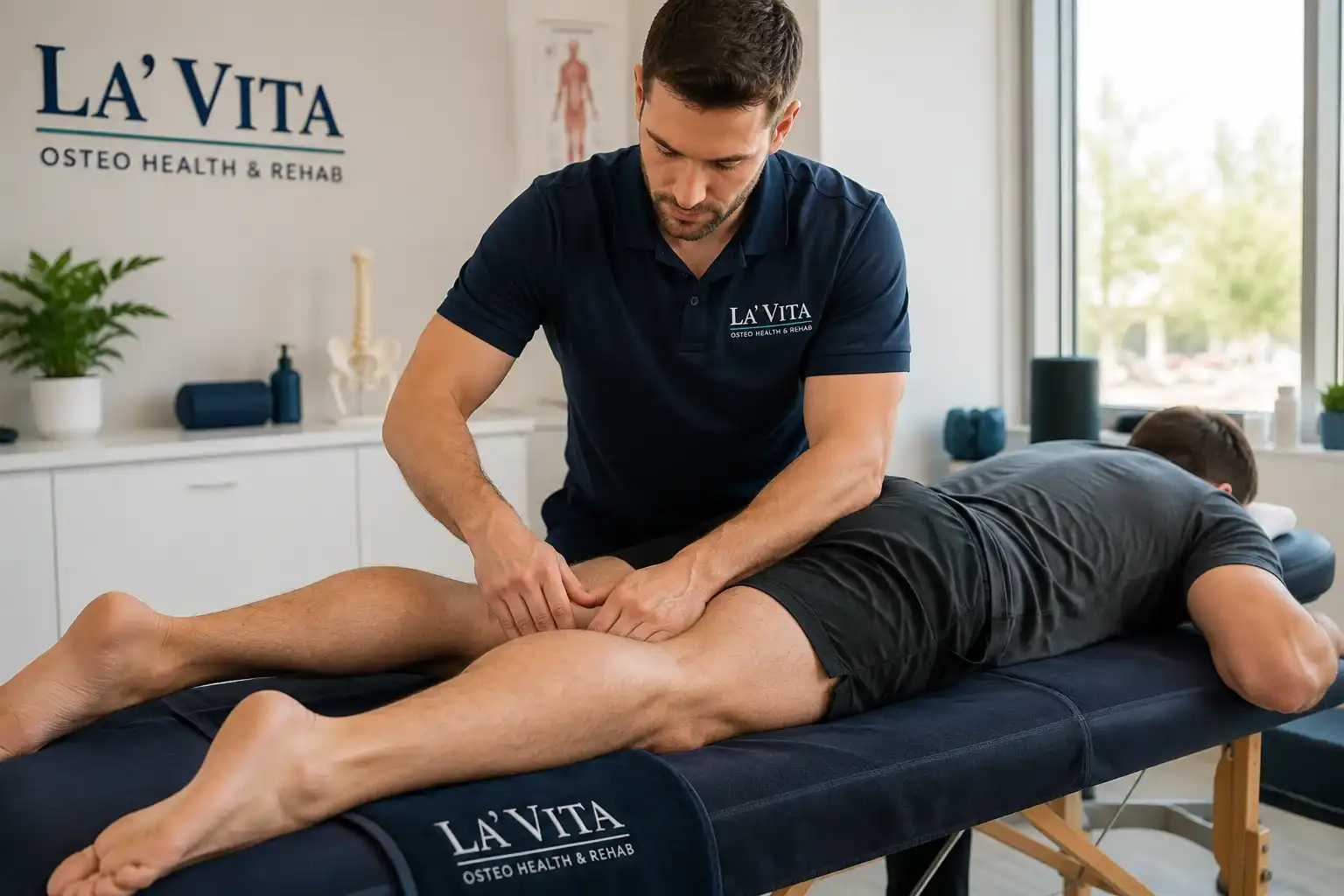
🔹 Manual therapy to release tight muscles and mobilize restricted joints
🔹 Pain management strategies to allow comfortable movement
🔹 Education about proper movement patterns
Our osteopathic therapy services can address structural issues that affect movement.
Step 3: Retrain Movement Patterns
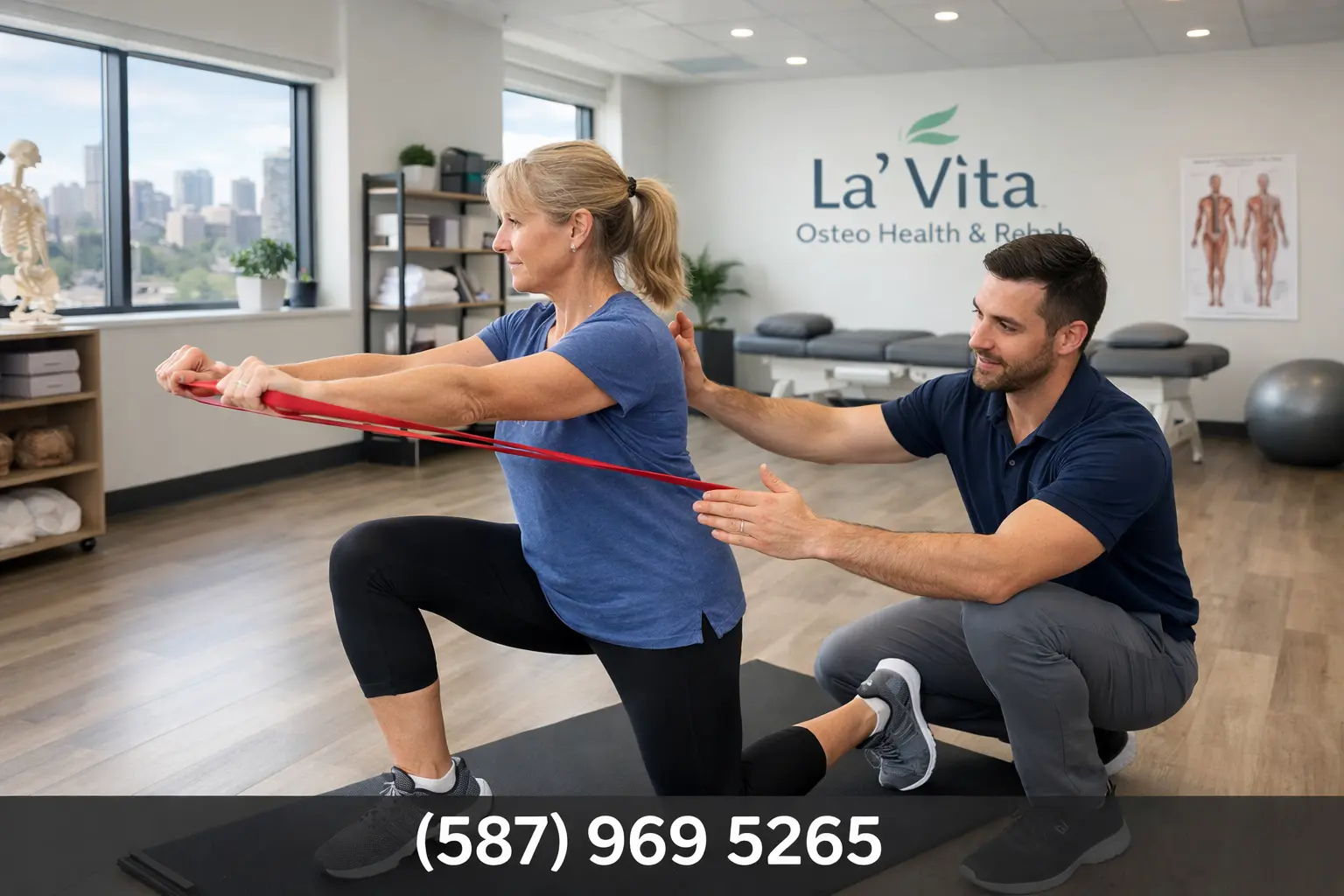
This is the core of movement control rehabilitation. Through targeted exercises, you’ll retrain your body to move properly. This includes:
🔹 Corrective exercises to address imbalances
🔹 Functional training that mimics real-life movements
🔹 Balance and proprioception training
🔹 Progressive challenges to build control and confidence
Step 4: Build Strength and Endurance
Once movement patterns improve, the focus shifts to building strength and endurance. This ensures that the new patterns stick and that your body can handle the demands of daily life.
Step 5: Return to Activity
The final phase prepares you to return to your normal activities. This may include sport-specific training, work conditioning, or simply practicing the activities you love with confidence.
Our active rehabilitation programs are designed to guide you through every step.
When to Call a Professional
While some movement issues can be addressed with self-care, there are times when professional support is essential. Consider reaching out if:
🔹 Your movement issues are persistent or worsening
🔹 You’ve experienced a significant injury or surgery
🔹 You have balance problems that put you at risk of falling
🔹 Your pain limits your ability to move
🔹 You’re unsure what’s causing your movement problems
A professional assessment can provide clarity and ensure you’re on the right path. At La Vita Osteo, our practitioners are experienced in movement control rehabilitation and can create a personalized plan tailored to your needs.
The beauty of movement control rehabilitation is that it meets you where you are. Your plan is built around your unique body, goals, and limitations. With guidance from a qualified practitioner, you can rebuild movement control and return to the activities you love.
Preventive Maintenance Tips
Once you’ve improved your movement control, prevention is key. Here are tips to maintain healthy movement long-term:
🔹 Stay active – Regular movement keeps your body functioning well
🔹 Practice good posture – Alignment supports efficient movement
🔹 Take movement breaks – Stand and stretch every 30 minutes if you sit for long periods
🔹 Strengthen your core – A strong core supports all movement
🔹 Challenge your balance – Practice single-leg stands or other balance exercises
🔹 Listen to your body – Address minor issues before they become major
🔹 Schedule regular check-ins – Periodic assessments can catch issues early
At La Vita Osteo, we offer ongoing support to help you maintain healthy movement.
FAQs
1. What is movement control rehabilitation?
Movement control rehabilitation is a type of active rehabilitation that focuses on retraining your body to move efficiently and safely. It addresses the underlying causes of movement dysfunction, not just symptoms.
2. Who can benefit from movement control rehabilitation?
Anyone with movement issues can benefit, including people recovering from injury or surgery, those with chronic pain, athletes wanting to improve performance, and seniors wanting to maintain independence.
3. How long does movement control rehabilitation take?
The timeline varies depending on your condition and goals. Some people see improvements in a few weeks, while others may need several months of consistent work.
4. Is movement control rehabilitation painful?
The goal is to reduce pain, not cause it. Your practitioner will work within your comfort level and progress gradually.
5. Do I need a referral for movement control rehabilitation?
You typically don’t need a referral. However, some insurance plans may require one for coverage.
6. How is movement control rehabilitation different from physical therapy?
Movement control rehabilitation is a specific focus within active rehabilitation. It emphasizes retraining movement patterns and coordination, often in conjunction with other therapies.
7. Does La Vita Osteo offer movement control rehabilitation?
Yes! We offer active rehabilitation, kinesiology, and osteopathic therapy to support movement control and overall function.
Conclusion
Movement control rehabilitation is about more than just reducing pain—it’s about restoring your body’s ability to move efficiently, confidently, and without limitation. Whether you’re recovering from injury, managing a chronic condition, or simply want to move better, active rehab can help.
At La Vita Osteo, we’re committed to helping Calgary residents improve their movement and quality of life. Our experienced practitioners provide personalized movement control rehabilitation programs tailored to your unique needs.
Ready to move better? Book your assessment at La Vita Osteo today.