The temperature drops, and suddenly your knees feel stiffer. Your hands ache when you grip a coffee cup. That old shoulder injury from years ago starts complaining again. If this sounds familiar, you’re not alone—cold weather joint pain is a common experience for many Calgary residents.
But why does cold weather make our joints hurt more? Is it just in our heads, or is there a real physiological reason? And more importantly, what can we do about it?
This guide explores the science behind cold weather joint pain, why stiffness increases in winter, and how targeted therapy can help you move more comfortably through the colder months.
If you’re dealing with persistent joint pain, explore our osteopathic therapy services at La Vita Osteo.
Why Does Cold Weather Cause Joint Pain?
Cold weather joint pain isn’t a myth. Research and clinical experience both confirm that temperature drops can affect how our joints feel and function. Here’s why:
Reduced Circulation
When temperatures drop, your body works to preserve heat. Blood vessels in your extremities constrict, redirecting blood flow toward your core to protect vital organs. This means less circulation reaches your joints, muscles, and connective tissues—making them feel stiffer and less flexible.
Increased Tissue Tension
Cold causes muscles, tendons, and ligaments to tighten. This natural response helps preserve body heat, but it also reduces flexibility and can increase discomfort in joints that are already sensitive.
Changes in Joint Fluid
Synovial fluid—the lubricant inside your joints—becomes thicker in cold temperatures. This can make joints feel stiffer and less responsive to movement, especially first thing in the morning or after periods of inactivity.
Barometric Pressure Changes
Calgary’s Chinook winds bring rapid shifts in barometric pressure. These changes can affect the pressure inside your joints, leading to increased sensitivity and discomfort.
Reduced Activity
Let’s be honest: winter makes us less active. We spend more time indoors, move less, and often skip outdoor activities. This reduced movement leads to stiff joints and weakened muscles, compounding the problem.
Cold weather joint pain isn’t just about temperature—it’s about how your body responds. Two people can experience the same drop in degrees, but one feels fine while the other struggles. Factors like age, fitness, previous injuries, and time spent outdoors all play a role. Understanding your own patterns helps you prepare for winter instead of being caught off guard.
Who Is Most Affected by Cold Weather Joint Pain?
While anyone can experience joint stiffness in cold weather, some people are more susceptible:
🔹 People with arthritis – Osteoarthritis and rheumatoid arthritis symptoms often worsen in cold weather
🔹 Those with old injuries – Previous fractures, sprains, or surgeries can become more sensitive
🔹 Older adults – Age-related changes in joints and circulation make cold weather more challenging
🔹 Sedentary individuals – Lack of movement worsens stiffness
🔹 Athletes and active individuals – Overtraining or previous injuries can flare up in cold weather
Warning Signs You Shouldn’t Ignore
While some stiffness in cold weather is normal, certain signs warrant professional attention:
🔹 Persistent pain that doesn’t improve with rest or warmth
🔹 Severe swelling, redness, or warmth around a joint
🔹 Pain that limits your ability to walk or use your hands
🔹 Joint pain accompanied by fever or chills
🔹 Sudden onset of severe pain
🔹 Pain following an injury or fall
🔹 Numbness or tingling in your extremities
If you experience any of these signs, seek medical evaluation promptly.
Calgary’s dry cold and rapid temperature swings—especially during Chinooks—create a perfect storm for joint sensitivity. When barometric pressure drops before a Chinook, many people notice increased stiffness. Having a proactive plan matters. Instead of waiting for pain to strike, you can take steps to keep your joints comfortable through every weather shift.
Step-by-Step Solutions for Cold Weather Joint Pain
The good news is that you can take action to reduce cold weather joint pain and stay comfortable all winter. Here’s how:
Step 1: Stay Active
Movement is medicine. Gentle exercise keeps your joints lubricated and your muscles strong. Try indoor activities like swimming, yoga, or walking in a mall or community centre. Even simple range-of-motion exercises at home can make a difference.
Step 2: Keep Warm
Layer up, especially on your extremities. Warm gloves, socks, and hats help maintain circulation. Consider thermal underwear or heated clothing for outdoor activities. At home, keep your living space warm and avoid drafts.
Step 3: Apply Heat Therapy
A warm bath, heating pad, or hot water bottle can relax tight muscles and improve circulation. Apply heat for 15–20 minutes at a time, especially before stretching or movement.
Step 4: Stretch Daily
Gentle stretching keeps your joints flexible and reduces stiffness. Focus on areas that feel tight—hips, knees, shoulders, and lower back. Hold each stretch for 20–30 seconds without bouncing.
Step 5: Stay Hydrated
Dehydration worsens joint stiffness. Drink plenty of water throughout the day, even if you don’t feel thirsty. Warm herbal teas and soups also contribute to hydration.
Step 6: Get Professional Therapy
When self-care isn’t enough, professional therapy can help. Osteopathy, massage therapy, and active rehabilitation can address the root causes of your joint pain and improve your mobility.
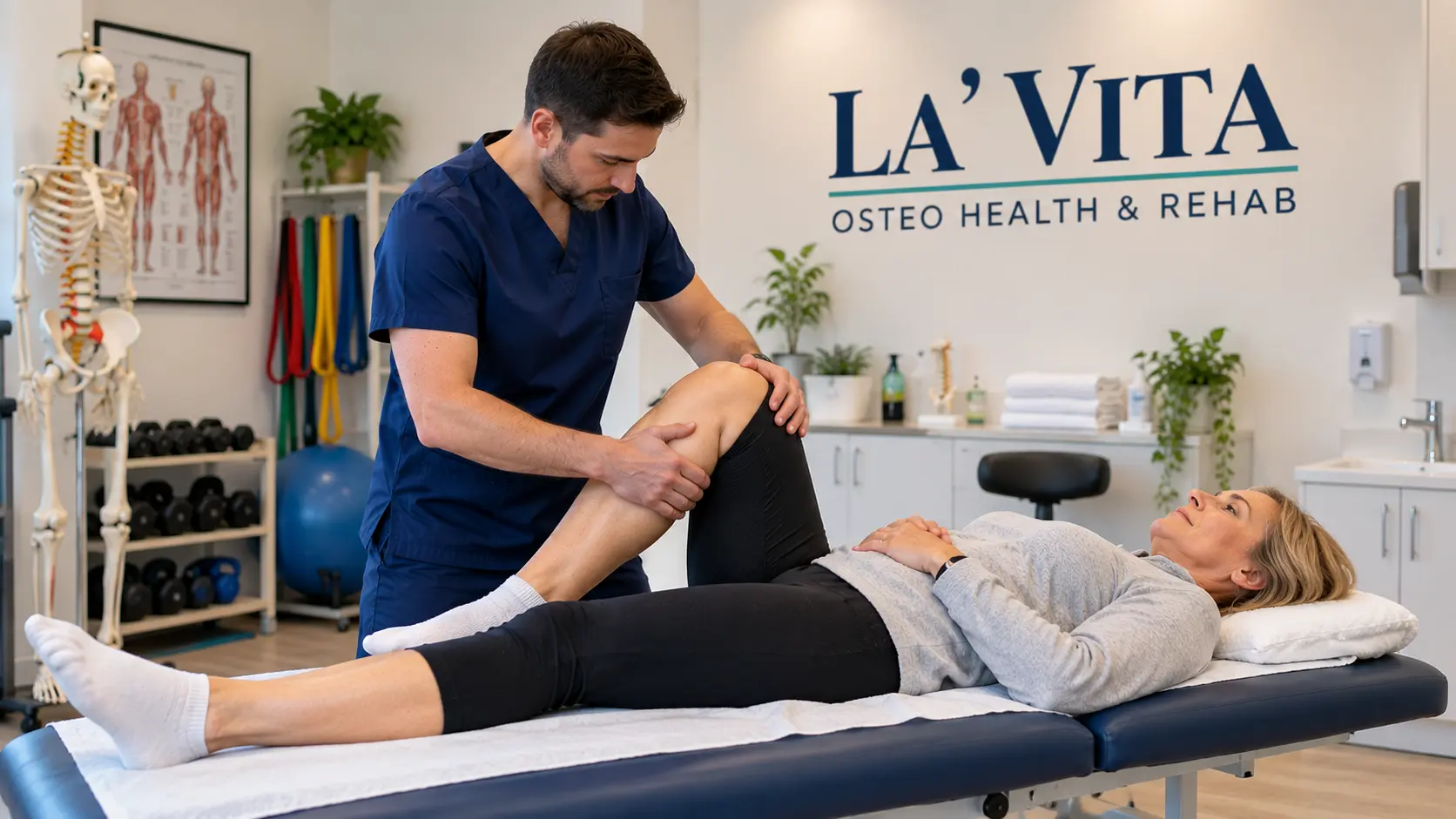
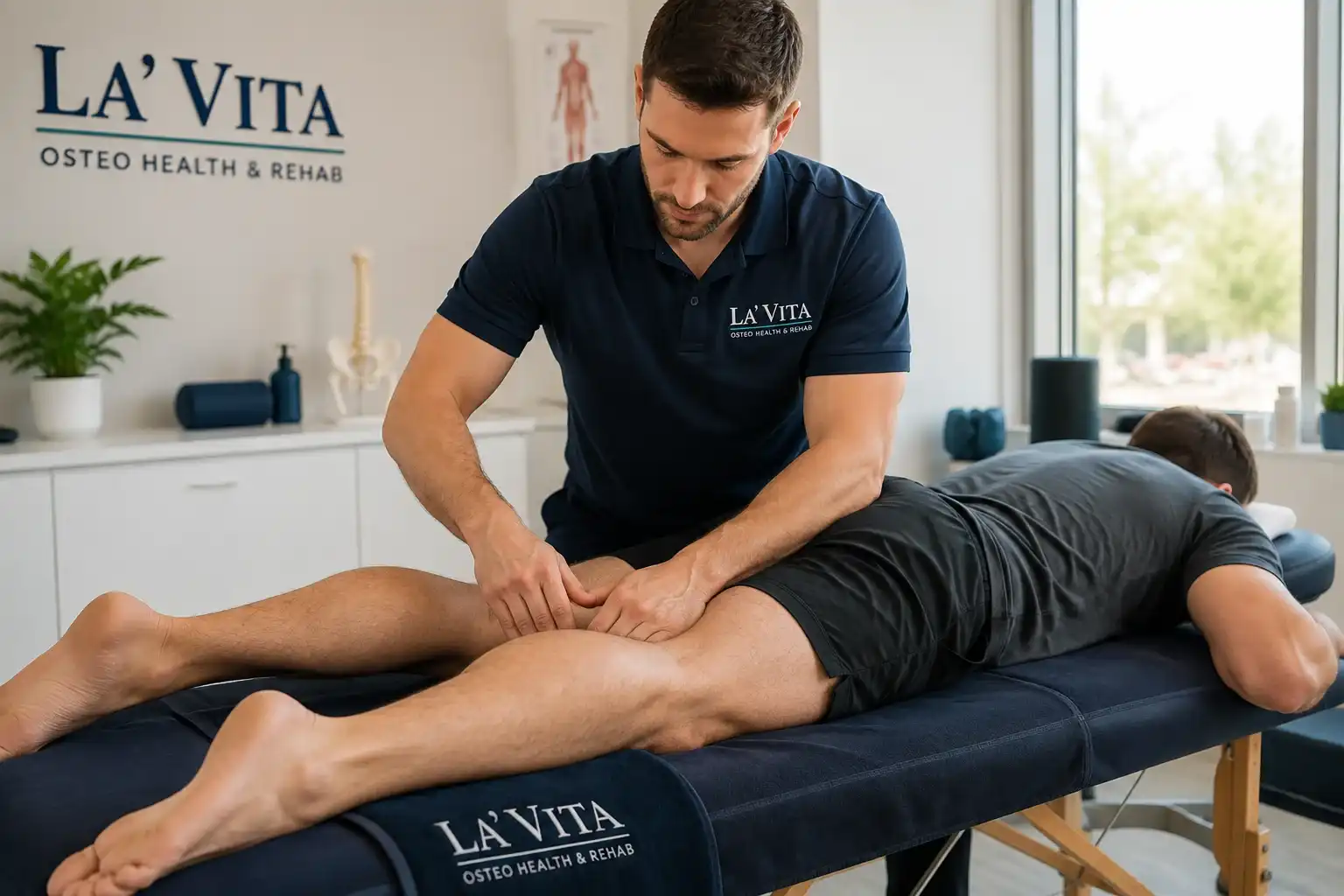
At La Vita Osteo, our practitioners use gentle manual techniques to release tension, improve circulation, and restore joint mobility. We create personalized treatment plans tailored to your unique needs.
How Targeted Therapy Helps Cold Weather Joint Pain
Targeted therapy addresses the underlying causes of cold weather joint pain—not just the symptoms. Here’s how:
🔹 Improves Circulation – Manual techniques stimulate blood flow to stiff joints, delivering oxygen and nutrients
🔹 Releases Tension – Gentle stretching and mobilization reduce muscle tightness
🔹 Restores Mobility – Joint mobilization improves range of motion and reduces stiffness
🔹 Addresses Compensation Patterns – Therapy identifies and corrects movement imbalances that worsen pain
🔹 Supports Long-Term Joint Health – Regular treatment helps maintain joint function throughout winter
Targeted therapy isn’t just about relieving symptoms—it’s about helping your body adapt to seasonal changes. A skilled practitioner can identify areas of restriction and poor circulation that make you vulnerable to cold weather joint pain. They can also teach you exercises and self-care strategies that extend the benefits between sessions.
When to Call a Professional
If your cold weather joint pain is persistent, worsening, or affecting your daily life, it’s time to seek professional help. A qualified practitioner can assess your condition, identify the root cause, and create a treatment plan to help you recover.
At La Vita Osteo, our practitioners are experienced in helping Calgary residents manage cold weather joint pain. We offer osteopathy, massage therapy, and active rehabilitation to support your comfort and mobility all winter long.
Preventive Maintenance Tips
Once you’ve found relief, prevention is key. Here are tips to maintain healthy joints through the colder months:
🔹 Stay active year-round – Consistent movement keeps joints healthy
🔹 Warm up before outdoor activities – Prepare your body for cold exposure
🔹 Invest in proper winter gear – Warm, supportive footwear is essential
🔹 Take vitamin D – Sun exposure drops in winter, and vitamin D supports bone and joint health
🔹 Eat anti-inflammatory foods – Omega-3s, turmeric, and ginger can help reduce inflammation
🔹 Schedule regular check-ins – Periodic therapy sessions can catch issues early
FAQs
1. Why do my joints hurt more in cold weather?
Cold weather causes blood vessels to constrict, reducing circulation to your extremities. It also tightens muscles and connective tissues, making joints feel stiffer and more painful.
2. Is cold weather joint pain a sign of arthritis?
Not necessarily. Many people without arthritis experience joint stiffness in cold weather. However, if pain is persistent or worsening, it’s worth getting assessed.
3. Can cold weather make arthritis worse?
Yes. Many people with arthritis report increased pain and stiffness in cold weather. Cold can exacerbate symptoms, especially in the hands, knees, and hips.
4. What’s the best way to relieve cold weather joint pain?
A combination of staying active, keeping warm, applying heat, stretching, and professional therapy works best for most people.
5. Should I exercise with cold weather joint pain?
Gentle movement is usually beneficial, but avoid activities that cause sharp pain. Listen to your body and modify as needed.
6. How can osteopathy help with cold weather joint pain?
Osteopathy improves circulation, releases tension, and restores joint mobility. It addresses the root causes of stiffness and pain, helping you move more comfortably.
7. Does La Vita Osteo treat cold weather joint pain?
Yes! Our practitioners provide osteopathy, massage therapy, and active rehabilitation to help Calgary residents manage cold weather joint pain.
Conclusion
Cold weather joint pain is a real phenomenon—one that affects millions of people every winter. But it doesn’t have to control your life. By staying active, keeping warm, stretching regularly, and seeking professional therapy when needed, you can reduce stiffness, improve mobility, and enjoy the winter season comfortably.
At La Vita Osteo, we’re committed to helping Calgary residents find relief from cold weather joint pain. Our experienced practitioners provide personalized care tailored to your unique needs.
Ready to find relief from cold weather joint pain? Book your appointment at La Vita Osteo today. Visit our website to learn more about our services, or explore our blog for more wellness insights.