Maintaining a healthy spine starts with good posture, and the benefits of proper posture extend beyond just appearance. It plays a crucial role in your overall health, influencing everything from breathing and digestion to reducing the risk of injuries. Poor posture, on the other hand, can lead to a range of health problems that can affect your day-to-day life, including chronic back pain, joint discomfort, and fatigue.
In this blog, we will explore effective posture correction tips that can help you achieve a healthier spine and a more comfortable life. At La’ Vita Osteo, we offer personalized treatments and techniques for posture correction in Calgary, designed to restore balance and alleviate discomfort.
Common Posture Problems and Their Impact on Your Spine
Before delving into posture correction tips, it’s essential to understand the common problems associated with poor posture. Over time, these issues can create strain on your spine and musculoskeletal system, leading to discomfort and long-term damage.
- Slouching and Rounded Shoulders
One of the most common posture problems is slouching, which typically involves rounded shoulders and a hunched back. This posture can lead to strain on the neck, upper back, and shoulders, causing discomfort and stiffness. - Forward Head Posture
Forward head posture occurs when the head extends forward beyond the body’s natural alignment. This posture adds extra pressure on the cervical spine, leading to headaches, neck pain, and discomfort in the shoulders. - Swayback Posture
This condition involves an excessive arch in the lower back, which puts undue stress on the lumbar spine. Swayback posture can cause back pain, hip discomfort, and even contribute to the development of herniated discs. - Text Neck
With the rise of technology use, many people suffer from “text neck,” where excessive phone or computer use leads to the head protruding forward, which places pressure on the spine and neck muscles. - Flat Back
A flat back posture occurs when there is little to no natural curvature in the spine, often caused by sitting for extended periods without proper lumbar support. This can lead to muscle fatigue, back pain, and decreased spinal mobility.
Causes of Poor Posture
Understanding the causes of poor posture is essential for effective posture correction. Poor posture often develops over time due to a combination of lifestyle factors, physical habits, and even psychological factors.
- Sedentary Lifestyle
Modern-day life often involves prolonged sitting, whether at work or during leisure activities. Sitting for extended periods can lead to muscle imbalances, poor alignment, and weakened core muscles, contributing to bad posture. - Lack of Awareness
Many people simply aren’t aware of their posture. Bad habits, such as slouching or leaning forward, are often unnoticed until they lead to pain and discomfort. - Weak Core Muscles
The muscles in your core play a critical role in supporting your spine. If these muscles are weak, your spine may not have the support it needs, resulting in poor posture and back pain. - Injury or Trauma
Injuries, whether from an accident, sports, or repetitive strain, can alter the alignment of the spine and lead to muscle imbalances that affect posture. - Improper Ergonomics
Poor workstation setup or improper seating arrangements contribute to misalignment. When your desk or chair isn’t adjusted to the right height or you’re using your phone at an odd angle, your posture suffers. - Psychological Stress
Stress and anxiety can manifest physically by causing you to tense up and hunch over, which can lead to poor posture over time.
Posture Correction Tips for a Healthy Spine
Correcting your posture can drastically improve your spine health, reduce discomfort, and enhance overall well-being. Here are some practical posture correction tips:
- Practice Mindful Posture
One of the first steps in posture correction is being aware of your body’s alignment. Practice sitting, standing, and walking with your shoulders back, chin parallel to the floor, and your spine straight. - Strengthen Your Core Muscles
A strong core supports your spine and helps maintain good posture. Incorporate exercises such as planks, bridges, and abdominal crunches into your routine to build strength in your core muscles. - Stretch Regularly
Tight muscles can pull your spine out of alignment. Stretching helps lengthen muscles and improve flexibility. Focus on stretching the hamstrings, hip flexors, and chest to relieve tension in areas that often become tight due to poor posture. - Improve Ergonomics at Work
Ensure that your workstation is set up to promote proper posture. Your chair should support the natural curve of your lower back, and your computer monitor should be at eye level to prevent forward head posture. Use a supportive chair and avoid slouching for long periods. - Take Breaks and Move
Sitting for long hours can cause your spine to stiffen. Take regular breaks to stand, walk, and stretch to alleviate pressure on your back and improve circulation. - Engage in Posture Correction Exercises
Specific exercises can help retrain your muscles to support proper alignment. For instance, exercises like wall angels and chin tucks can help reverse the effects of poor posture. - Visit an Osteopath for Posture Correction
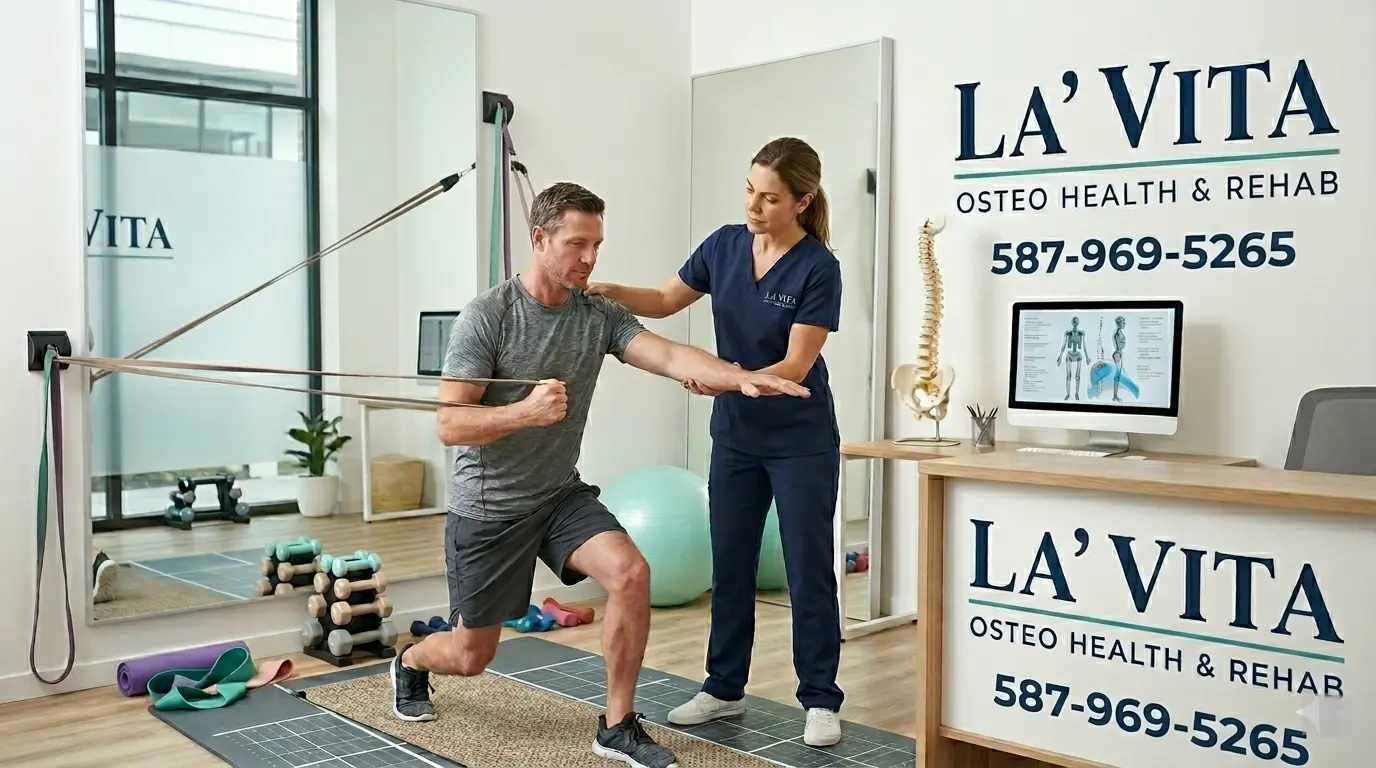
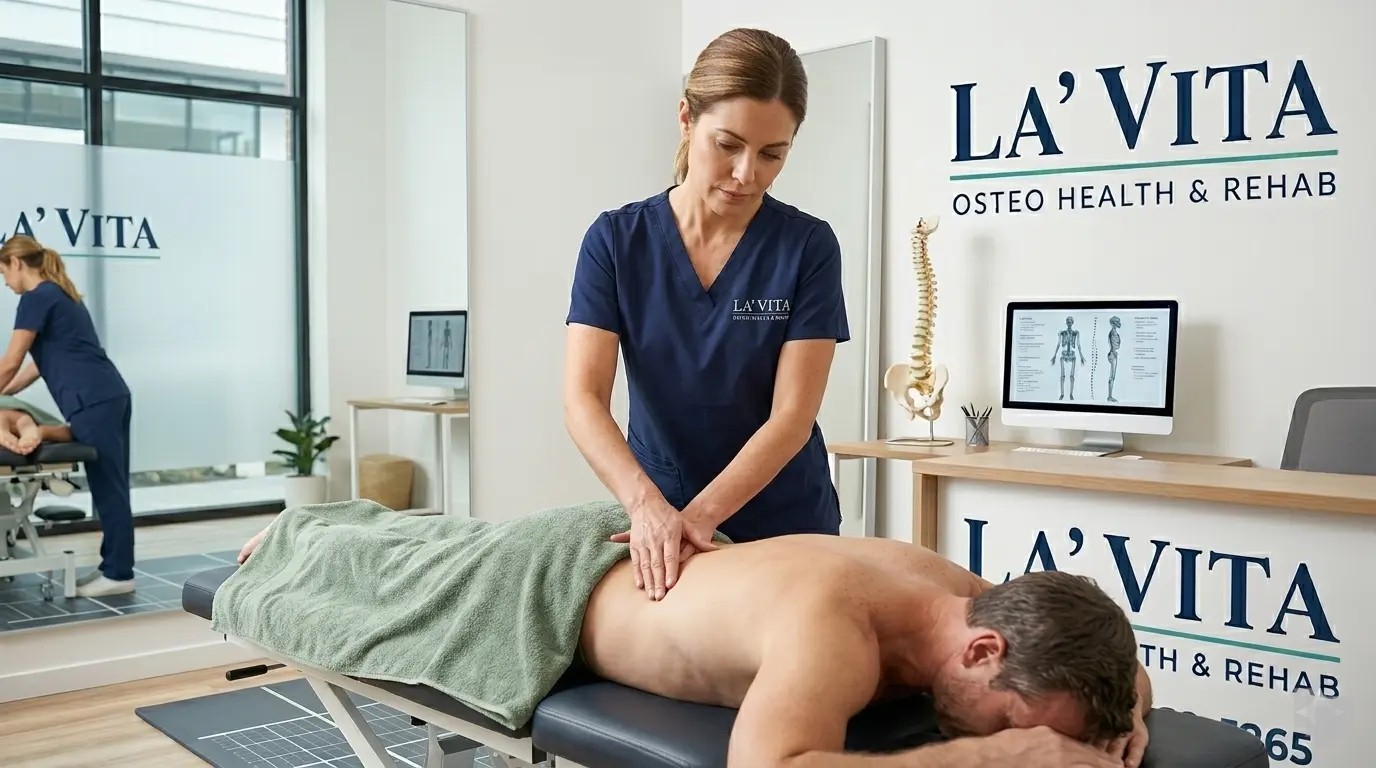
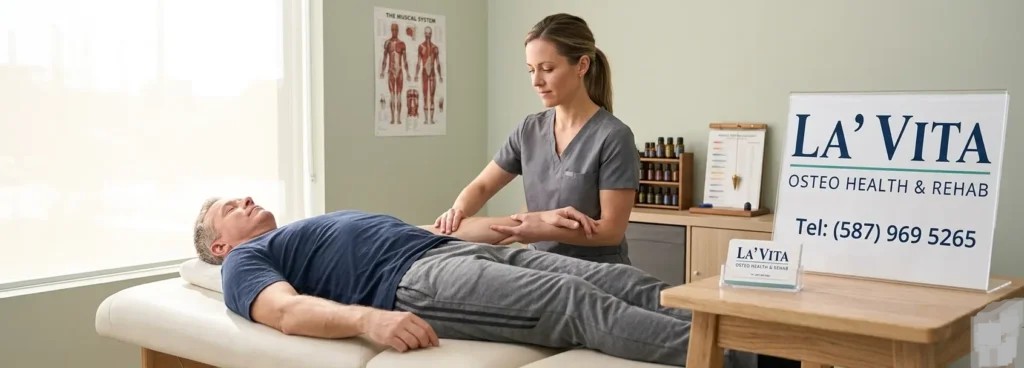
Osteopathic treatments can provide significant help in correcting posture. At La’ Vita Osteo, we offer personalized services to correct posture and alleviate associated pain. You can book an appointment with us for hands-on treatment.
When to Seek Professional Help
While you can make significant strides on your own through posture correction techniques, sometimes professional help is necessary. If you’re experiencing chronic pain, severe discomfort, or difficulty correcting your posture on your own, it’s important to consult a healthcare professional.
At La’ Vita Osteo, our osteopaths can provide manual therapy to address postural issues and alleviate discomfort. Visit our Services page to learn more about the posture correction treatments we offer, or Contact Us to schedule an appointment.
FAQs
- How long does it take to correct posture?
Posture correction can take time, depending on the severity of the problem. With consistent effort, many people notice improvements in just a few weeks. - Can posture correction help with back pain?
Yes, correcting poor posture can relieve back pain by reducing strain on the spine and muscles. - What are the best exercises for improving posture?
Core-strengthening exercises, back stretches, and shoulder rolls are great for posture correction. - Is posture correction a permanent solution?
Posture correction requires ongoing maintenance. Once you’ve achieved good posture, it’s essential to continue practicing and maintaining proper alignment. - Can posture correction improve my breathing?
Yes, proper posture opens up the chest and allows for deeper, more efficient breathing. - What role does ergonomics play in posture correction?
Ergonomics ensures that your workspace promotes healthy posture. Adjusting your desk, chair, and monitor height can help maintain alignment. - When should I see a doctor about my posture?
If you experience persistent pain, discomfort, or are unable to correct your posture despite efforts, seeking professional help is advisable.
Conclusion
Correcting your posture is an essential part of maintaining a healthy spine and overall well-being. With mindful effort, regular stretching, and posture correction exercises, you can significantly improve your posture and reduce the risk of spinal discomfort and related health issues.
If you’re struggling with posture correction or need professional help, our experts at La’ Vita Osteo are here to support you. Visit our Appointments page to book a consultation and start your journey to better posture and a healthier spine today.