You’re going about your day when suddenly—a familiar pressure builds behind your eyes. Your neck feels stiff, your temples throb, and you just know: a Chinook is coming. For countless Calgarians, this isn’t an old wives’ tale. It’s a monthly, sometimes weekly, reality.
While researchers are still working to fully understand the connection, the experience of Chinook headaches is a well-documented phenomenon that affects a significant portion of our city’s population. These weather-triggered headaches can range from mildly annoying to completely debilitating, making it difficult to work, focus, or even enjoy those warm winter days.
If you’re tired of being a “human barometer,” you’re not alone. Explore our blog for more insights on managing weather-related pain and discover how a holistic approach can help.
But what if there was a way to reduce your sensitivity to these weather changes? Osteopathy offers a unique, holistic approach that goes beyond simply masking the pain. By addressing the underlying structural and mechanical factors that make you susceptible to Chinook headaches, osteopathy can help your body become more resilient and adaptable to Calgary’s ever-changing climate.
What Are Chinook Headaches?
Chinook headaches are a specific type of weather-related headache or migraine triggered by the rapid changes in barometric pressure associated with Chinook winds. Calgary, situated at over 1,040 metres above sea level, experiences these dramatic pressure shifts frequently, making its residents more susceptible to this phenomenon.
A 2000 study published in the journal Neurology established that Chinooks increase the likelihood of migraines in some people. While the exact mechanisms are still being studied, the connection is well-established and widely recognized by healthcare professionals in Calgary. Dr. Werner Becker, professor emeritus at the University of Calgary, has confirmed that a significant number of migraine sufferers are sensitive to Chinook weather patterns.
The experience is often described as feeling like a “human barometer” — you can predict the weather based on how your head feels. As one Calgarian noted, the sudden nature of Chinook changes seems to be a key trigger. This is distinct from other types of headaches, though the pain can be equally severe.
Understanding the “why” behind your pain is the first step to finding relief. Learn more about our approach and how we treat the root cause, not just the symptoms.
Why Do Chinook Winds Trigger Headaches in Calgary?
The leading theory is that Chinook headaches are linked to barometric pressure changes. Chinooks cause a rapid drop in barometric pressure, which can affect the body in several ways:
Blood Vessel Changes: Rapid pressure changes can cause blood vessels in the brain to dilate (expand), which can trigger migraine pathways. This vascular response is a common feature of many types of migraines.
Sinus and Inner Ear Pressure: The pressure changes can create imbalances in the sinuses and inner ear, potentially leading to pain and stress responses. Studies on rodents have suggested that inner ear systems respond to these pressure changes, though this hasn’t been fully confirmed in humans.
Nervous System Sensitivity: The drop in pressure may irritate the nervous system directly. Calgary’s high altitude may also contribute, as higher altitudes have been associated with a higher prevalence of migraines.
Dr. Serena Orr, a pediatric neurologist at the University of Calgary, notes that more research is needed to understand the exact mechanisms. However, the combination of Calgary’s high altitude and frequent Chinook events creates a unique environment where these headaches are common.
How Barometric Pressure Affects Your Body
Barometric pressure is the force exerted by the weight of the atmosphere. When a Chinook arrives, this pressure drops quickly. Here’s how that can affect you:
Blood Vessels and Pressure: The pressure drop can cause blood vessels in the head to swell. This vascular dilation can put pressure on nerves, contributing to migraine pain.
Fluid Balance: Changes in air pressure can affect fluid dynamics within the body, including in the sinuses and inner ear. This can lead to increased sinus pressure and facial discomfort.
Muscle Tension: Weather changes can cause the body to tense up, especially in the neck and shoulders. This pre-existing tension, often related to poor posture or stress, can become more severe during Chinook events, making headaches worse.
The “Chinook headache” is believed to be a mix of vascular and mechanical factors. The weather triggers the vascular response, while any pre-existing tightness in the neck or jaw can amplify the pain.
Common Symptoms of Chinook Headaches
Chinook headaches can range from a dull ache to a full-blown migraine. You might experience:
Head Pain: This can be a throbbing pain, often on one side of the head, but can also be generalized.
Neck Stiffness: A feeling of tightness and reduced mobility in the neck is incredibly common. This is often a precursor to or a symptom of a headache.
Facial Pressure: Pain or pressure behind the eyes, in the cheeks, or around the forehead.
Sensitivity to Light and Sound: Like other migraines, Chinook-related migraines can make you sensitive to bright lights and loud noises.
Dizziness or Nausea: Some people experience dizziness, nausea, or a general feeling of being unwell.
If these symptoms sound familiar, explore our services to see how osteopathy can help you find lasting relief.
How Osteopathy Helps Relieve Weather-Related Headaches
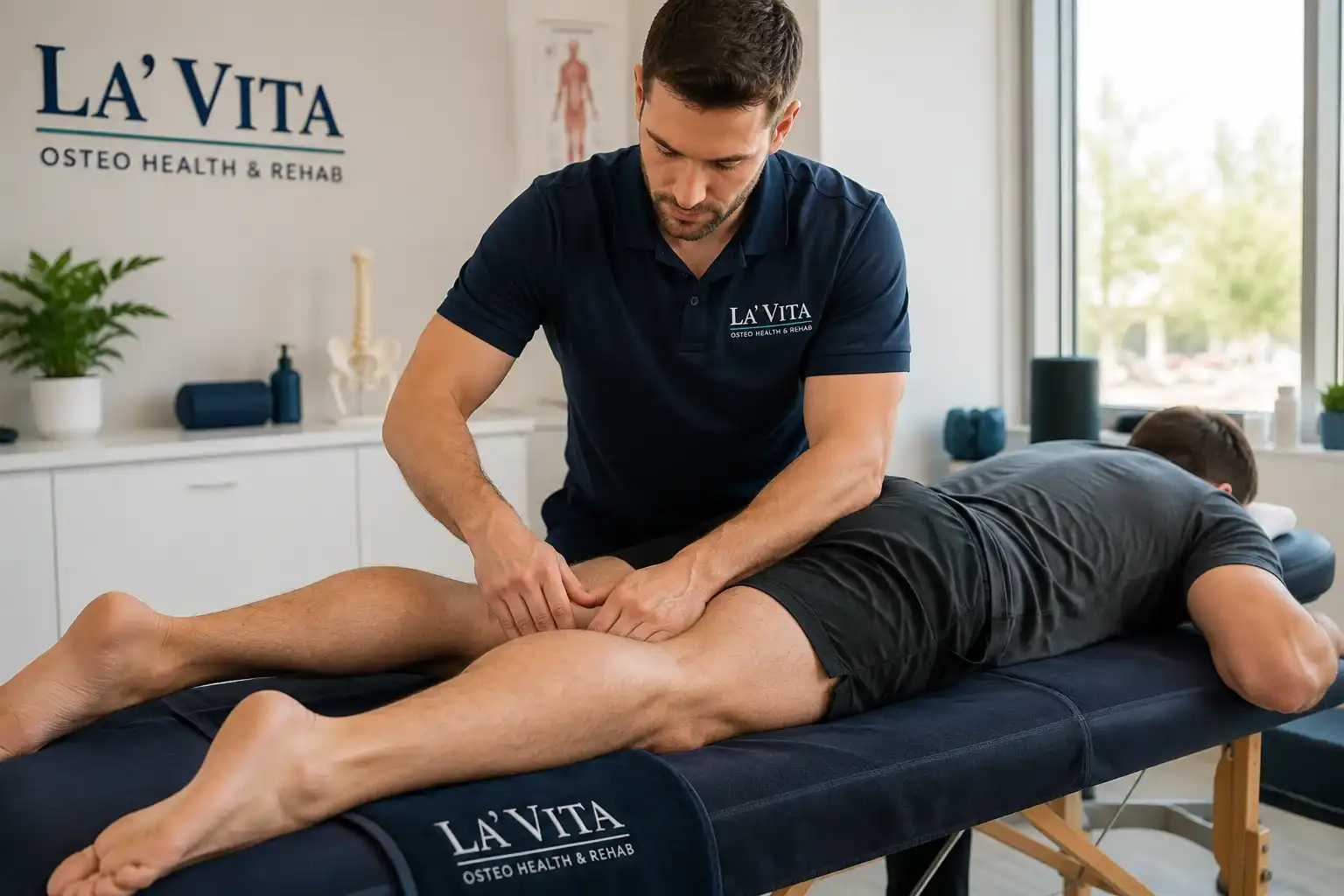
Osteopathy offers a unique, drug-free approach to managing Chinook headaches. Rather than simply treating the head pain, it focuses on the whole body, addressing the mechanical and structural factors that contribute to your sensitivity.
The Holistic, Interconnected Approach
Osteopathy views the body as an interconnected unit. A restriction in your pelvis, for example, could contribute to tension in your neck, making you more vulnerable to weather changes. By treating the body as a whole, osteopaths aim to improve its overall function and resilience.
Gentle Hands-On Techniques
Osteopaths use a variety of gentle, non-invasive manual techniques to help:
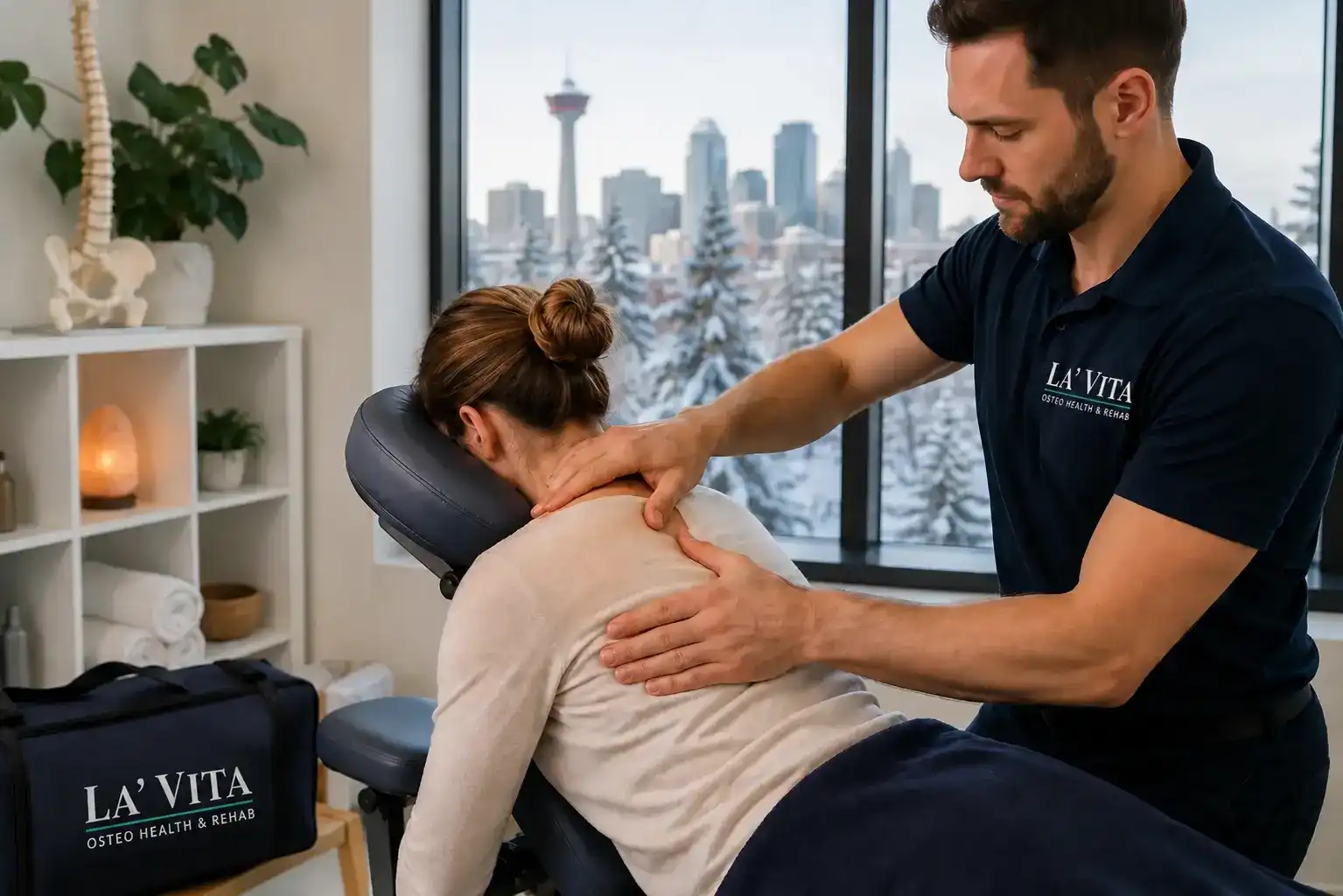
- Reduce Structural Tension: Osteopathic treatment can help release tension in the sub-occipital muscles (at the base of the skull), neck, and shoulders. This can alleviate a significant source of mechanical headache pain.
- Improve Mobility: Techniques like cervical mobilization and joint mobilization improve the mobility of the neck and spine, reducing nerve irritation.
- Encourage Healthy Fluid Drainage: Gentle techniques can help promote the drainage of fluids in the head and neck, potentially reducing sinus pressure and improving circulation.
- Support the Body’s Healing: By removing restrictions, osteopathy helps the nervous system function more efficiently, supporting the body’s natural ability to maintain balance and health.
At La Vita Osteo, we specialize in this whole-body approach. Learn more about osteopathic therapy and how it can help you build resilience against weather-related pain.
Self-Care Tips During Chinook Season
While osteopathic treatment is a powerful tool, there are steps you can take at home to manage Chinook headaches:
- Stay Hydrated: Drink plenty of water and limit alcohol, as dehydration can worsen headaches.
- Maintain a Sleep Routine: Getting a good night’s sleep is crucial. Poor sleep can make you more susceptible to pain.
- Watch Your Caffeine: For some, caffeine can be a trigger. Aim to limit your intake to about 200 milligrams per day (roughly two cups of coffee).
- Manage Stress: Try deep breathing, mindfulness, or other relaxation techniques to manage stress, which can exacerbate headaches.
- Get Regular Exercise: Regular movement helps maintain a healthy body and can reduce headache frequency.
- Improve Your Posture: Poor posture, especially from desk work, can tighten your neck muscles and worsen headaches.
For more practical tips and expert advice, visit our blog for articles on posture, stress management, and holistic wellness.
When Should You Visit an Osteopath?
If you regularly experience chinook headaches with these winds, and they’re affecting your work, sleep, or quality of life, it’s time to see an osteopath. Our team at La Vita Osteo can assess your body’s structure and function to identify the mechanical factors contributing to your chinook headaches. We look for patterns of tension and restriction, especially in your neck and upper back, that may be making you vulnerable to these weather-related headaches. If you have a history of concussions, whiplash, or jaw issues, these can also be contributing factors that worsen your chinook headaches.
FAQs
1. What exactly is a Chinook headache?
A Chinook headache is a weather-related headache or migraine triggered by the rapid drop in barometric pressure associated with warm Chinook winds. It’s a well-documented phenomenon, particularly affecting people in Southern Alberta.
2. Are Chinook headaches real?
Yes. While scientists are still working out the exact science behind the connection, a 2000 study in the journal Neurology confirmed that Chinook winds increase the likelihood of migraines in some individuals.
3. Do Chinooks only cause migraines?
No, Chinooks can also cause other types of headaches, often described as tension-like headaches with pain and tightness in the neck and head.
4. How does osteopathy help with headaches?
Osteopathy helps by reducing the mechanical tension in your neck, jaw, and spine that can make you more sensitive to weather changes. It uses gentle, hands-on techniques to release tight muscles, improve mobility, and help your body function more efficiently.
5. What self-care tips can help prevent Chinook headaches?
Staying hydrated, maintaining a good sleep routine, managing stress, and limiting caffeine can help. Improving your neck posture with exercises like chin tucks can also be beneficial.
6. Is it safe to get osteopathic treatment for headaches?
Yes. Manual osteopathic therapy is a gentle, non-invasive treatment that is considered safe and effective for treating headaches. Your osteopath will work with you to ensure all techniques are comfortable and appropriate for your situation.
Have more questions? Contact our friendly team for personalized answers and guidance.
Conclusion
Living in Calgary means embracing the beautiful, chaotic weather, but it shouldn’t mean living in pain. Chinook headaches are a real and challenging aspect of life here, but the understanding of how to manage them is advancing. By recognizing that these headaches are often a mix of vascular and mechanical factors, you can take a more proactive approach to your health.
Osteopathy offers a unique, drug-free path that addresses the root cause of your vulnerability to chinook headaches. By using gentle, targeted techniques to release tension, improve mobility, and support your body’s natural healing, osteopathy helps you become more resilient to Calgary’s weather—reducing both the frequency and severity of chinook headaches.
Don’t let the next Chinook dictate your day. If you’re ready to find lasting relief and take control of your health, book an assessment with us at La Vita Osteo and discover how a whole-body approach can help you move and feel better, no matter what the weather brings.