You’ve been looking forward to it all week. Saturday morning arrives, and you’re lacing up your boots, ready to tackle a stunning Rocky Mountain trail just outside Calgary. The views are breathtaking, the air is crisp, and the sense of accomplishment is unmatched.
Then Monday comes.
You can barely walk down the stairs, your quads are screaming, and sitting at your desk feels like a punishment. This familiar scenario plays out for countless Calgary weekend warriors. The good news? It doesn’t have to be this way.
If you’re tired of dreading Mondays after a weekend on the trails, explore our services to discover how professional recovery can transform your hiking experience.
Understanding the science behind post hike muscle recovery and implementing both pre-hike preparation and post-hike therapeutic care can transform your hiking experience. You can enjoy those spectacular mountain views without paying for it for days afterward. Whether you’re exploring the trails of Kananaskis, tackling a summit in Banff National Park, or enjoying a scenic route in Bragg Creek, proper recovery strategies make all the difference.
Why Muscle Recovery Matters After Hiking
Recovery isn’t just about feeling better—it’s about allowing your body to repair and strengthen itself. When you hike, you’re creating microscopic tears in your muscle fibers, which is a normal part of building strength. However, without proper recovery, these tears can lead to excessive stiffness, reduced range of motion, and increased injury risk.
The weekend warrior athlete often underestimates the need for recovery techniques critical to supporting their passion for sport. As your soft tissues undergo repetitive stress, they approach tissue tolerance and eventually exceed that tolerance, which is of particular concern for athletes in their adult years.
Think of your muscles like a rubber band. When stretched repeatedly without rest, they lose elasticity and become prone to damage. Post hike muscle recovery is the process that restores that elasticity, clears metabolic waste, and prepares your body for the next adventure.
For more expert insights on recovery and injury prevention, visit our blog for articles tailored to active Calgary residents.
How Rocky Mountain Trails Challenge Your Muscles
Rocky Mountain trails are no joke. They demand more from your body than a casual walk in the park. Here’s what your muscles experience:
Calves and Achilles Tendons: These work overtime on steep ascents and descents, especially when navigating rocky terrain. The constant push-off and braking action creates significant fatigue.
Quadriceps: Descending a mountain places enormous eccentric stress on your quads, which is why they often feel the most sore after a hike. Every step down requires them to contract while lengthening, creating maximum muscle damage.
Hamstrings and Glutes: These powerhouse muscles drive you uphill, helping you lift your body weight with every step. Carrying a pack increases this workload dramatically.
Hip Flexors: Hiking involves lifting your leg with each step forward, making your hip flexors work continuously throughout the day.
Lower Back and Core: Your core stabilizes your body while navigating uneven terrain, and your lower back supports the weight of your pack, especially during prolonged outings.
Ankles and Feet: The constant micro-adjustments to maintain balance on rocky trails can lead to fatigue and, without proper support, injury.
The challenge is amplified by the sheer distance—4 to 6 hours of hiking on the weekend is minimal compared to the 40-hour work week and 10-20 hours of driving time during the week. This is why proactive recovery steps are so important.
Pre-Hike Mobility: Preparing Your Body Before the Trail
Many hikers make the mistake of skipping pre-hike preparation, thinking a slow start will warm them up. This approach leaves your muscles tight and vulnerable to injury—and it can also make post-hike muscle recovery more challenging. When you start a hike with tight, unprepared muscles, you’re setting yourself up for greater fatigue and more severe soreness later on.
Stretching before exercise helps warm up your muscles and prepares them for activity. Like warming up your car on a cold morning, your muscles need gradual preparation after a night’s rest. Good flexibility can prevent injury and enhance performance, which in turn supports faster post-hike muscle recovery by reducing the overall strain placed on your body during the hike.
A Quick 5-Minute Pre-Hike Warm-Up
Gentle Walk: Start with 3-5 minutes of easy walking to increase blood flow and elevate your heart rate gradually.
Dynamic Stretches (not static): Unlike the deep stretches you hold, dynamic stretches involve movement. Try leg swings, walking lunges, and arm circles to prepare your body.
Calf Stretch: Find a step or rock. Stand on the edge, lower your heels until you feel a gentle stretch in your calves, and alternate raising and lowering each heel.
Standing Leg Stretch: Place your heel on a rock at about groin height. Bend forward slowly from the waist and hold the stretch briefly.
Shoulder Stretch: Extend your arms overhead, hold one elbow with the opposite hand, and gently pull it behind your head.
Hip Flexor Stretch: Kneel on one knee and gently push your hips forward to open up the front of your hip.
Remember: Do not bounce during stretches. Bouncing can cause small tears in muscles and tendons, creating damage that won’t heal properly as you hike. Also, avoid overstretching—a small burning feeling is okay, but pain is not.
Want to learn more about proper warm-up techniques? Check out our active rehabilitation services for personalized guidance.
Post-Hike Therapeutic Massage: Why Recovery Is Just as Important
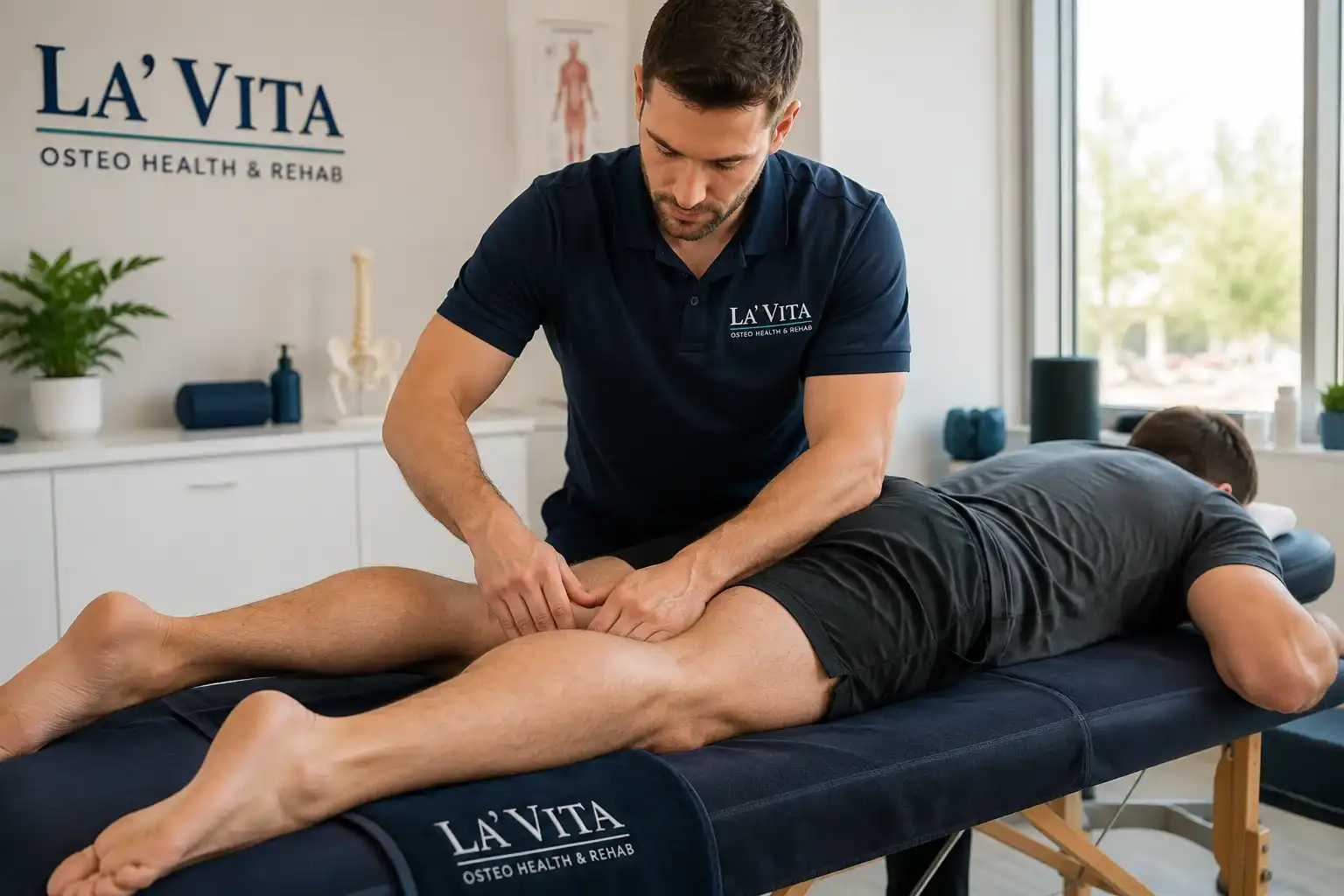
The key to drug-free pain relief is a good massage after the day’s hiking is through. After exercise, massage can quicken recovery during the cool-down period. Hikers are athletes, and like all athletes, they need to increase circulation and prevent metabolic waste from building up in muscles.
Lactic acid and other waste products pool in the blood in your extremities after exercise. These waste products, gathered in the muscles, contribute to the sore and jittery muscles you feel after a tough day on the trail. Lactic acid slows down the recovery period after an activity. However, a good massage moves intercellular fluids through the body and allows the spaces created to be filled with oxygen-rich blood and nutrients.
At La Vita Osteo, our massage therapy services are designed specifically to support post hike muscle recovery and get you back on the trails faster.
Massage therapy supports post hike muscle recovery by:
- Reducing muscle tension and stiffness
- Improving circulation and lymphatic drainage
- Supporting the removal of metabolic waste products from tired muscles
- Enhancing flexibility and joint mobility
- Reducing inflammation and swelling
This targeted approach helps release tension in the calves, quadriceps, and glute muscles—the primary players in hiking. For Calgary residents, incorporating therapeutic massage into a post-hike routine can make the difference between limping through a workweek and bouncing back ready for the next adventure.
How Massage Helps Reduce Muscle Stiffness and Supports Recovery
Massage isn’t just about relaxation—it’s a scientifically supported recovery tool that plays a crucial role in post-hike muscle recovery. Here’s what happens when massage therapy is applied after a hike to support your body’s healing process:
Improved Circulation: Massage manipulates soft tissues, increasing blood flow to exhausted muscle groups. This enhanced circulation delivers fresh oxygen and nutrients while carrying away metabolic waste.
Reduced Swelling: Overuse of muscles and joints can cause pain and stiffness. Massage therapy can reduce this swelling and improve muscle condition.
Toxin Clearance: Massage helps “wring the toxins out of the blood stream and make way for oxygen-rich blood.” This cleansing effect is crucial for reducing post-hike soreness.
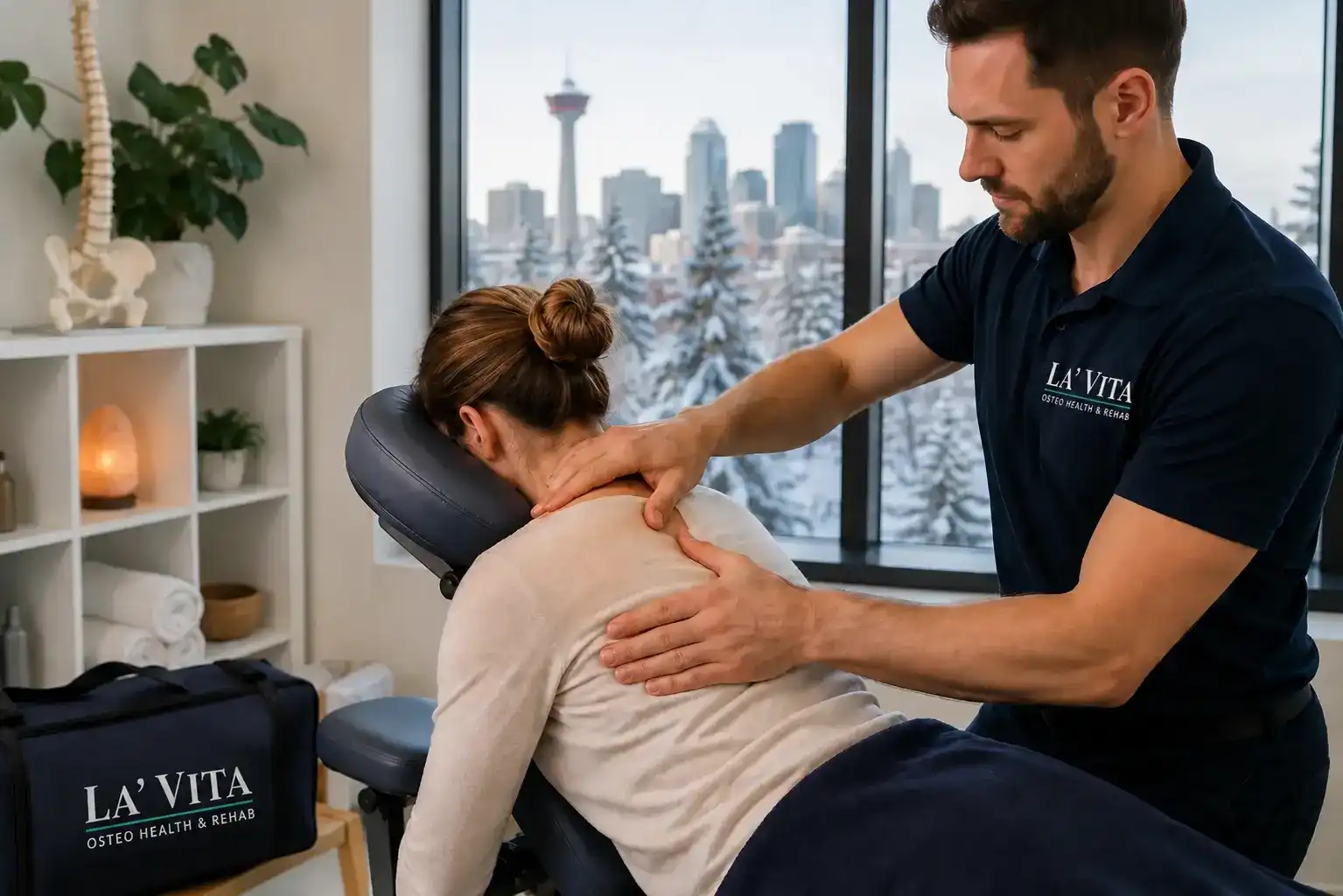
Muscle Relaxation: After hours of holding your body in a hiking posture, muscles become tight and contracted. Massage encourages them to release, reducing tension and preventing spasms.
Nervous System Support: The calming effect of massage helps reduce stress hormones, promoting a state of relaxation that supports overall recovery.
The benefits extend beyond the physical. Spending the day outdoors and then following up with massage can ease your mind and build a healthier body, reinforcing the positive loop of outdoor activity and self-care.
If you’re ready to experience the benefits of professional recovery, book a massage therapy session with our experienced team.
Common Hiking-Related Muscle Problems
Even with proper preparation, hiking can lead to a range of muscle problems. Recognizing them early helps you take appropriate action:
Delayed Onset Muscle Soreness (DOMS): This predictable soreness appears 24-48 hours after intense activity. It’s a normal response to muscle damage and repair but can be debilitating if unmanaged.
Tight IT Band: Hikers commonly have tight iliotibial bands, and this rigidity can often manifest as lateral knee pain—pain on the outside of the knee. If the glute muscles are too tight, it can cause the IT band to become even tighter.
Neck and Shoulder Tension: Carrying a pack can create significant tension in your neck and shoulders. Hiking poles can also contribute to arm soreness.
Lower Back Pain: A heavy pack shifts your center of gravity, forcing your lower back muscles to work harder to maintain balance.
Foot and Ankle Issues: The constant micro-adjustments required on rocky trails can lead to plantar fasciitis, ankle instability, and general foot fatigue.
Recovery Tips for Weekend Hikers
Beyond professional treatment, there are steps you can take immediately after your hike and throughout the week to support post-hike muscle recovery on your own. These simple yet effective strategies can make a significant difference in how your body feels in the days following your adventure.
Cool Down Gradually: When you’re 5-10 minutes from the trailhead, reduce your pace to a lower intensity to transition your body from activity to a resting state. This reduces the risk of cramping and clears metabolic waste.
Post-Hike Stretching: Once at the trailhead, take 10 minutes for deep stretching, holding each stretch for 30 seconds. Focus on calves, hamstrings, quads, and hip flexors. Consider incorporating yoga poses for optimal recovery.
Refuel Within an Hour: Eat a balanced meal or snack containing protein and carbohydrates within an hour of finishing. This maximizes your body’s ability to absorb nutrients and supercharges the recovery process.
Rehydrate: Drink 1½ to 2½ cups of water per hour for at least 2 hours after exercise. Water supports every metabolic function and nutrient transfer in your body.
Rest: Take at least one day per week where you do not do structured activity. Use this time for restorative activities like gentle stretching or easy walking.
Foam Rolling: Gentle foam rolling can help release tension in major muscle groups, complementing the work of therapeutic massage.
For more tips on staying active and injury-free, explore our blog for expert advice tailored to Calgary’s outdoor enthusiasts.
When Should You Visit an Osteopath or Massage Therapist?
Recognizing when self-care isn’t enough is crucial. Consider booking an appointment if:
You’re Experiencing Persistent Pain: If soreness lasts more than 72 hours or is accompanied by sharp pain, it’s time to seek professional assessment.
Your Mobility Is Severely Limited: If you’re struggling to walk normally or your range of motion is significantly reduced, professional treatment can help restore function.
You’re Recovering from an Injury: Previous injuries, such as a concussion, whiplash, or joint issues, can make you more vulnerable to hiking-related strain.
You Have a History of Recurring Problems: If you consistently experience the same muscle problems after hiking, an osteopath can identify and address the underlying mechanical factors contributing to your pain.
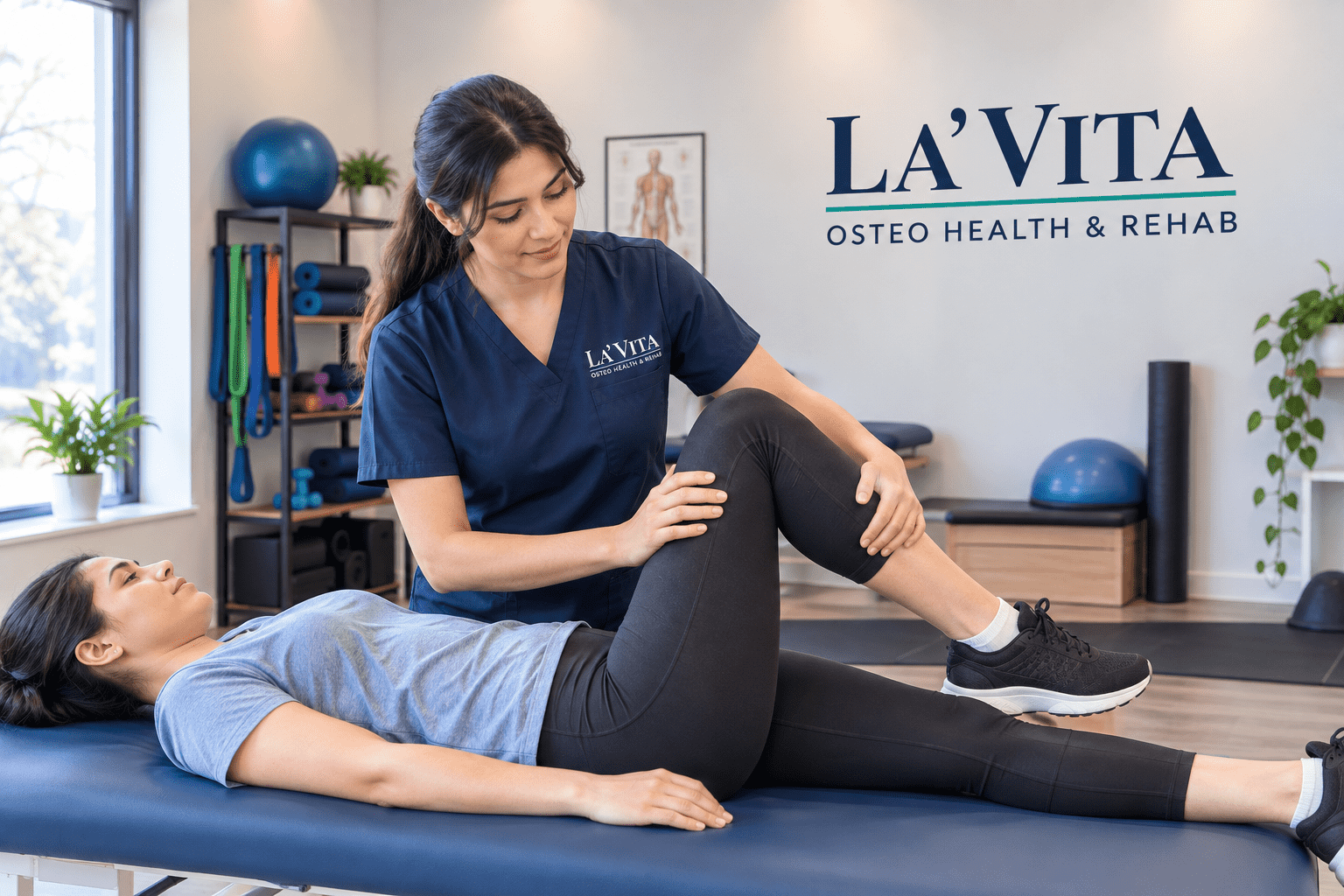
Osteopathy uses a whole-body approach to address the root cause of pain, not just the symptoms. A registered massage therapist can provide targeted muscle work to speed recovery. For Calgary residents, these services are accessible and often covered by extended health benefits.
At La Vita Osteo, our osteopathic therapy services can help identify and address the root causes of your hiking-related pain.
How Massage Helps Reduce Muscle Stiffness and Supports Recovery
While therapeutic massage is highly effective for addressing muscle tension, it’s important to remember that post-hike muscle recovery isn’t a one-size-fits-all process. Each hiker’s body responds differently to the demands of the trail, depending on factors like fitness level, hydration, nutrition, and previous injuries. This is why a personalized approach to post-hike muscle recovery—one that considers your unique biomechanics and hiking habits—can make all the difference. At La Vita Osteo, our practitioners take the time to understand your specific needs, helping you develop a recovery routine that works for your body and your lifestyle.
FAQs
1. Why do I feel more sore after hiking than I did during the activity?
The soreness you feel 24-48 hours after hiking is delayed onset muscle soreness (DOMS), a normal response to the microtears in muscle fibers caused by hiking. The activity itself doesn’t always feel painful, but the repair process creates inflammation and sensitivity.
2. Should I stretch before or after my hike?
Both! Pre-hike dynamic stretching prepares muscles for activity and reduces injury risk. Post-hike static stretching, where you hold a position for 30 seconds, helps muscles return to their normal length and aids recovery.
3. Is post hike muscle recovery important for all hikers, or just serious athletes?
Recovery is essential for all hikers, regardless of skill level or distance. Even a moderate hike creates muscle fatigue and microtears. The weekend warrior who spends many hours sitting during the week is particularly vulnerable to stiffness.
4. Can massage help prevent injuries, not just treat them?
Yes. Pre-exercise massage can help prepare the body for activity by increasing circulation and reducing tension. Regular massage can also address tight areas that might lead to injury if left untreated.
5. How do I know if I need an osteopath or a massage therapist?
Both professionals can help, but they take different approaches. A massage therapist focuses primarily on muscle tension and circulation. An osteopath uses a whole-body approach, addressing structural and mechanical factors that might be contributing to your pain and vulnerability to injury.
6. Does La Vita Osteo offer both massage and osteopathy?
Yes! At La Vita Osteo, we offer comprehensive services including massage therapy and osteopathy to support your recovery needs.
7. How soon after a hike should I get a massage?
While it’s beneficial to get a massage within 24-48 hours after your hike, any time within the first few days can help reduce muscle tension and support recovery.
Have more questions? Contact our friendly team for personalized answers and guidance.
Conclusion
The Rocky Mountains offer an incredible backyard for Calgary residents, but the physical demands of hiking shouldn’t leave you limping through the week. Post-hike muscle recovery is not a luxury—it’s an essential part of the hiking cycle that prepares you for your next adventure and ensures your body stays strong for years to come.
By integrating pre-hike preparation, professional therapeutic care, and smart recovery strategies, you can enjoy those breathtaking views and challenging trails while minimizing soreness and reducing your risk of injury. Whether you’re exploring the trails of Kananaskis, tackling a Banff summit, or enjoying a scenic route in Bragg Creek, prioritizing post-hike muscle recovery helps your body bounce back faster and perform at its best on every adventure.
At La Vita Osteo, we’re committed to helping Calgary’s outdoor enthusiasts stay active and pain-free. Explore our services to discover how personalized recovery strategies can transform your hiking experience.
Ready to enjoy the mountains without paying the price? Book a massage therapy or osteopathic assessment and discover how personalized recovery strategies can transform your hiking experience. Schedule your consultation today and step onto the trail with confidence—and off the trail with comfort.
Book Your Appointment at La Vita Osteo and start your journey toward smarter, more enjoyable hiking in Calgary’s beautiful Rocky Mountain backyard!